Quick Answer
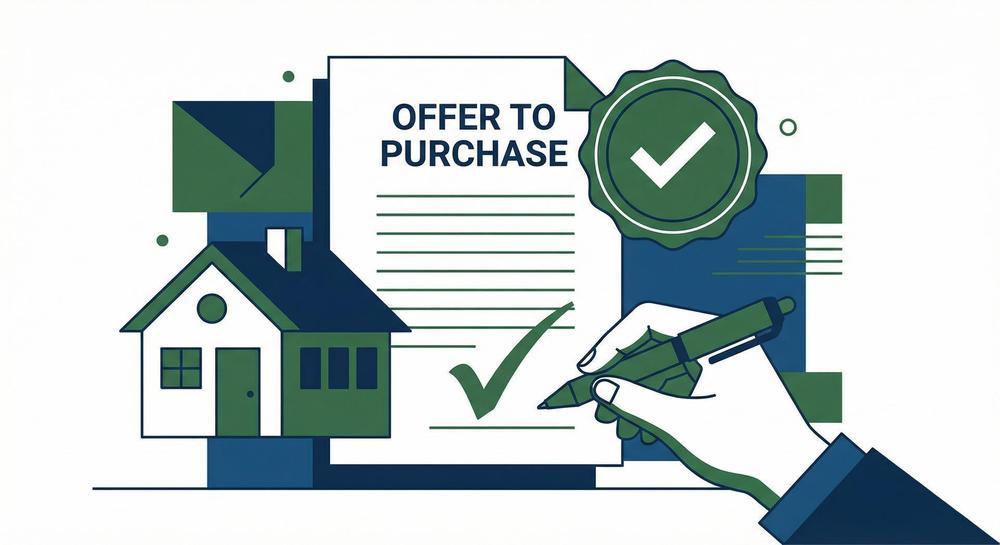
A strong offer starts with a competitive price backed by a pre-approval letter. Include a solid earnest money deposit, keep contingencies reasonable, and offer a flexible closing date. In a competitive market, small details can make the difference between winning and losing a home.
1. Get Pre-Approved First
A pre-approval letter tells the seller you can actually buy the home. It’s not optional - it’s expected.
Sellers want certainty. An offer without pre-approval looks risky. Get your letter from a lender before you start making offers.
2. Price It Right
Your offer price is the biggest factor. Here’s how to find the right number.
How to Decide Your Price
- Look at comparable sales (comps) - what similar homes sold for recently.
- Consider days on market - a new listing in high demand may need an above-asking offer.
- Check competition - if you know there are multiple offers, go higher.
- Stay within your budget. Don’t stretch past what you can afford.
When to Offer Above Asking
- Multiple offers on the table.
- The home is priced below market value.
- It’s a seller’s market with low inventory.
When Asking Price or Below Is Fine
- The home has been on the market 30+ days.
- It’s a buyer’s market with plenty of options.
- The home needs significant repairs.
3. Put Down Strong Earnest Money
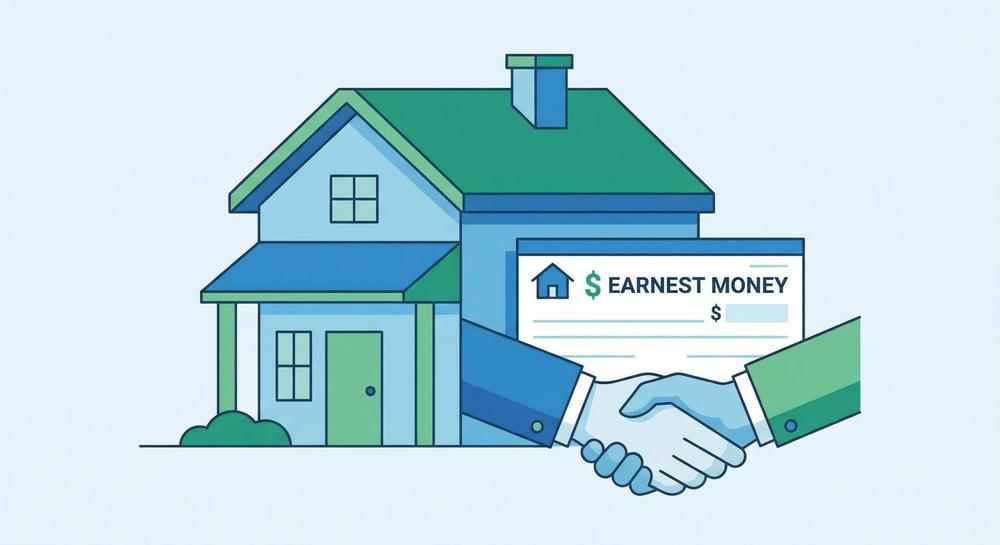
Earnest money shows you’re serious. In a competitive situation, a larger deposit stands out.
- Standard: 1–3% of the home price.
- Competitive: 3–5% or more.
- The stronger your deposit, the more confident the seller feels about your offer.
4. Keep Contingencies Reasonable
Contingencies protect you, but too many can weaken your offer. Sellers prefer clean, simple offers.
Always Keep
- Inspection contingency - Never skip this. It protects you from buying a house with hidden problems.
- Financing contingency - Protects you if your loan falls through.
Consider Carefully
- Appraisal contingency - In a bidding war, some buyers waive this. Only do it if you can cover a gap in cash.
- Home sale contingency - Makes your offer weaker. Sellers don’t want to wait for you to sell your current home.
Important: Only waive contingencies if you fully understand the financial risk.
5. Be Flexible on Closing Date
Ask your agent what the seller prefers. Some sellers want to close fast. Others need time to move.
Matching the seller’s preferred timeline can give your offer an edge - even if your price isn’t the highest.
6. Respond Quickly
In a competitive market, speed matters. When your agent calls with a counter-offer or update, respond the same day.
Delayed responses can cost you the deal. Stay available and ready to make decisions.
7. Work with a Local Agent
A good agent knows the local market, the listing agent, and what the seller cares about. They can:
- Advise you on the right price.
- Present your offer professionally.
- Communicate with the listing agent to understand what the seller wants.
- Negotiate on your behalf.
Don’t underestimate how much a skilled agent helps in a competitive situation.
What NOT to Do
- Don’t lowball in a hot market. Your offer may be dismissed without a counter.
- Don’t skip pre-approval. No letter, no credibility.
- Don’t add unnecessary contingencies. Keep it clean.
- Don’t delay. Fast response times show you’re serious.
- Don’t get emotional. Stay within your budget. There will always be another house.
Frequently Asked Questions
How much should I offer on a house?
Base your offer on comparable sales, market conditions, and competition. In a balanced market, offering close to asking price is typical. In a seller’s market with multiple offers, you may need to go 2–5% above asking. Your agent can help you decide.
Should I write a personal letter to the seller?
It depends. Some sellers appreciate a personal letter, while others don’t care. In some states, seller letters raise fair housing concerns. Ask your agent if it’s appropriate for your situation.
What if my offer gets rejected?
Don’t take it personally. Ask your agent for feedback. The seller may have received a higher offer, a cash offer, or preferred different terms. Use the feedback to strengthen your next offer.
Bottom Line
A strong offer is competitive on price, backed by pre-approval, and easy for the seller to say yes to. Keep it clean, respond fast, and work with a great agent.
Your next step: Make sure you’re pre-approved and ready to move quickly when you find the right home.