Quick Answer
A house is right for you when it fits your budget, meets your must-have needs, and feels like a place you can call home. Check the location, layout, and your gut feeling. If all three line up, you’re likely looking at the right house.

The 3 Things That Make a House Right for You
Most buyers know a house is right when three things match:
- Your budget – You can afford it without stress.
- Your needs – It has the rooms, space, and features you must have.
- Your gut – It feels like home when you walk in.
If one of these is off, keep looking. When all three fit, you’re close.
Check Your Budget First
Before you fall in love with a house, make sure the numbers work.
What Fits Your Budget?
- Monthly payment (including taxes and insurance) feels comfortable.
- You have money left for repairs and emergencies.
- You’re not stretching to the max. Life happens. Leave room.
Red Flags
- You can only afford it if nothing goes wrong.
- You’d have to cut out things you need (health care, savings, food).
- The payment keeps you up at night.
Tip: Work with a lender to get pre-approved. That tells you your real budget before you shop.
Does It Meet Your Needs?
Needs are different from wants. Needs are things you can’t live without.
Must-Haves to Consider
- Bedrooms – How many do you need? Think 2–5 years ahead.
- Bathrooms – One per bedroom? Or is one and a half enough?
- Location – Commute, schools, family nearby.
- Space – Room for kids, pets, or hobbies?
- Access – Stairs, yard, parking. What matters for your life?
The “Nice to Have” Test
Write down your must-haves before you shop. If a house misses one, it’s probably not right. Nice-to-haves are bonus. Don’t let them distract you from the basics.
Trust Your Gut (But Not Alone)
Your gut feeling matters. So does logic.
When Your Gut Says Yes
- You can picture yourself living there.
- You feel relaxed, not stressed, when you walk through.
- You keep thinking about it after you leave.
- You compare other houses to this one.
When Your Gut Says No
- Something feels off. You can’t name it, but it’s there.
- You’re trying to talk yourself into it.
- You feel relief when you leave, not disappointment.
Use Both
Gut feeling plus budget and needs. If your gut says yes but the budget or needs don’t fit, pause. If the budget and needs fit but your gut says no, keep looking. The right house usually hits all three.
A Simple Checklist Before You Offer
Run through this before you make an offer:
- Fits my budget (payment, taxes, insurance, repairs)
- Has my must-have rooms and space
- Location works (commute, schools, lifestyle)
- I can picture living here
- No major issues I’m not willing to fix
- I’m excited, not just settling
If you check most of these, the house may be right for you.
Common Mistakes to Avoid
Mistaking Excitement for the Right Fit
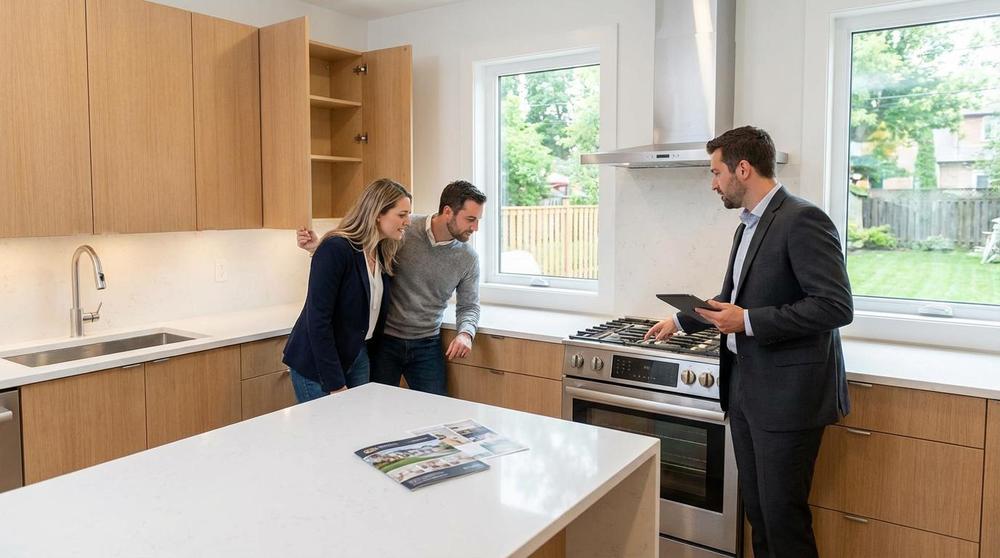
A pretty kitchen or big yard can make you overlook problems. Step back. Does it still fit your budget and needs?
Ignoring Red Flags
Strange smells, water stains, or things that feel “off” deserve a second look. Get a home inspection. Don’t skip it.
Rushing Because of Pressure
The market can feel fast. But buying the wrong house is worse than waiting. Take the time you need.
Skipping the Neighborhood
Drive by at different times. Talk to neighbors if you can. The house is part of the area. Make sure both work for you.
When to Walk Away
Sometimes the right move is to keep looking.
- The numbers don’t work, no matter how much you love it.
- Major repairs you can’t afford or don’t want to handle.
- The location doesn’t fit your life (commute, schools, safety).
- You’re only buying because you’re tired of looking.
- Your gut keeps saying no.
Walking away is okay. The right house will come.
Frequently Asked Questions
How do I know if a house is right for me?
A house is right for you when it fits your budget, meets your must-have needs (bedrooms, location, space), and feels like home when you walk in. If all three line up, it’s likely a good fit.
What should I check before buying a house?
Check your budget (payment, taxes, repairs), your must-haves (rooms, location, space), and your gut feeling. Get a home inspection. Visit the neighborhood at different times. Make sure the numbers and the feeling both work.
Should I trust my gut when buying a house?
Yes, but use it with logic. Your gut can sense when a place feels right or wrong. Combine that with budget and needs. If your gut says no, keep looking. If it says yes and the numbers work, you may have found your house.
How many houses should I see before making an offer?
There’s no magic number. Some buyers know after a few. Others need dozens. The right house is the one that fits your budget, needs, and gut. Don’t rush. Don’t drag it out forever either.
What if I love a house but it’s over budget?
If it’s over budget, it’s not the right house for you right now. Stretching too far leads to stress and risk. Keep looking. Something that fits will come along.
How do I know if I’m settling for a house?
You’re settling if you’re buying mainly because you’re tired of looking, or because you’re ignoring red flags. The right house should excite you and fit your checklist. If you’re talking yourself into it, pause and think.
Bottom Line
A house is right for you when it fits your budget, meets your needs, and feels like home. Use a simple checklist. Trust your gut, but back it up with the numbers. When all three line up, you’ll know.
Your next step: Work with a real estate agent who listens to what you want. They can help you stay on track and avoid rushing into the wrong fit.