Quick Answer
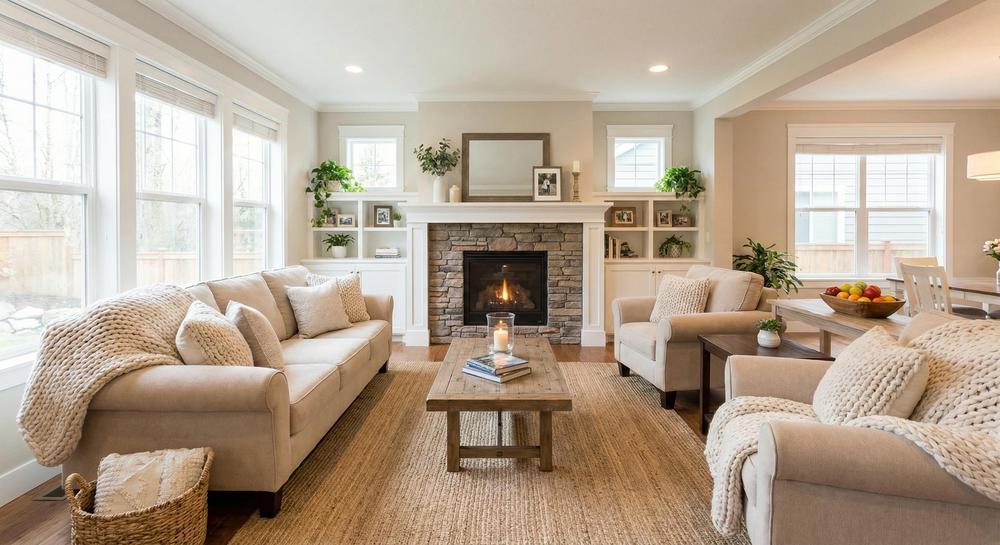
When touring a home, look past the pretty staging and check the things that actually matter: water pressure, windows, electrical outlets, basement condition, roof age, HVAC, natural light, and the neighborhood. Bring this checklist with you and take notes. What you notice during the tour could save you thousands after the sale.
Before You Walk In: The Exterior
Start your evaluation before you step through the front door.
Roof Condition
Look up. Are shingles missing, curling, or sagging? A roof replacement can cost $8,000 to $15,000+. If it looks rough, ask the listing agent about the roof’s age.
Foundation
Walk the perimeter. Look for large cracks, bowing walls, or gaps between the foundation and siding. Small hairline cracks are normal in older homes. Large, horizontal cracks are not.
Grading and Drainage
Does the ground slope away from the house? It should. Water flowing toward the foundation is a recipe for basement problems.
Driveway and Walkways
Cracks and heaving in concrete may be cosmetic or may signal drainage or frost issues. Note them and ask questions.
Inside: Room by Room
Kitchen
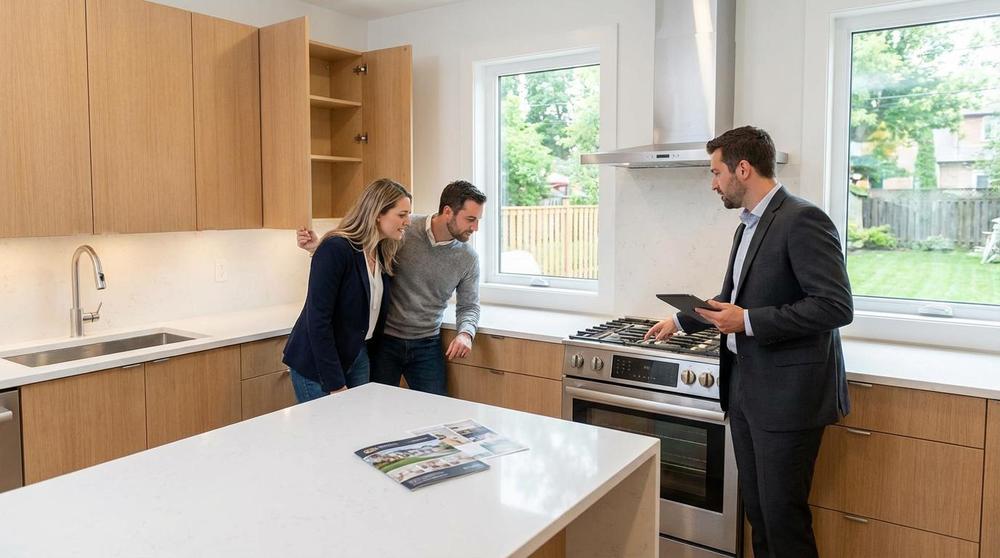
- Run the faucet. Check water pressure and drainage speed.
- Open and close all cabinets and drawers.
- Look under the sink for signs of leaks or water damage.
- Note the age and condition of appliances (are they staying with the home?).
Bathrooms
- Flush the toilet. Does it run after flushing?
- Turn on the shower. Check water pressure and temperature.
- Look at caulk and grout around the tub and shower. Mold or deterioration is a sign of moisture problems.
- Check under sinks for leaks.
Living Areas and Bedrooms
- Count the electrical outlets. Older homes may not have enough for modern needs.
- Open and close all windows. Do they stick? Are the seals intact?
- Look at the floors. Are they level? Do they creak excessively?
- Check closet size. Will your stuff actually fit?
Basement
- Look for water stains on the walls and floor.
- Check for musty smells, a sign of moisture or mold.
- Look at the foundation walls from inside. Cracks, efflorescence (white powder), or bowing are red flags.
- Find the sump pump. Does the house have one? Does it work?
Attic
- If accessible, peek into the attic. Look for adequate insulation, signs of water damage, and proper ventilation.
- Dark stains on the underside of the roof deck can mean leaks.
Systems to Check
HVAC
- Ask about the age of the furnace and air conditioner. Systems typically last 15 to 20 years.
- Listen for unusual sounds when the system runs.
- Check the thermostat. Is it working?
Water Heater
- Check the age (usually on a sticker on the unit). Most last 8 to 12 years.
- Look for rust or water around the base.
Electrical Panel
- Open the panel cover if you can. Is it labeled? Is it modern?
- Homes with fuse boxes (instead of breaker panels) may need an upgrade.
Plumbing
- Run multiple faucets at the same time. If pressure drops significantly, there may be pipe issues.
- Ask if the home is on public water/sewer or a well/septic. Each has different maintenance needs.
The Neighborhood
The home is important. Where it sits matters just as much.
Drive Around
Visit the neighborhood at different times: morning, evening, and weekend. Is it quiet? Busy? Are neighbors maintaining their properties?
Check Proximity
How far is the nearest grocery store, school, hospital, and highway? A beautiful home in a bad location is still a bad location.
Noise
Stand outside and listen. Is there road noise? Train tracks nearby? An airport flight path? These things don’t show up in listing photos.
Talk to Neighbors
If you get the chance, ask a neighbor what they like and don’t like about living there. You’ll learn things no listing description will tell you.
Red Flags That Deserve a Closer Look
- Fresh paint in only one room (might be covering damage)
- Strong air fresheners or candles (might be masking odors)
- Doors that won’t close properly (could indicate foundation settling)
- Water stains on ceilings (past or current roof/plumbing leaks)
- DIY additions or conversions (may not be up to code)
These don’t automatically mean “don’t buy.” They mean “ask questions and inspect thoroughly.”
Bring This With You
Print or save this quick checklist for your next showing:
- Roof condition: shingles, age
- Foundation: cracks, drainage
- Water pressure: kitchen, bathrooms
- Windows: open, close, seals
- Electrical: outlets, panel
- HVAC: age, condition, sounds
- Basement: water, mold, sump pump
- Closets and storage: adequate size
- Neighborhood: noise, proximity, vibe
- Overall gut feeling
Frequently Asked Questions
Should I bring a checklist when touring homes?
Absolutely. After seeing several homes, they blend together. A checklist keeps you focused on what matters and helps you compare homes objectively later.
Can I open cabinets and test faucets during a showing?
Yes. You’re a potential buyer. You should open cabinets, turn on faucets, flush toilets, and open windows. Be respectful of the seller’s belongings, but don’t be shy about checking the home’s condition.
What’s the difference between a home tour and a home inspection?
A home tour is your first look. You’re getting a feel for the home and spotting obvious issues. A home inspection is a professional examination after your offer is accepted. It goes much deeper into the home’s structure and systems.
Bottom Line
Touring homes is exciting, but don’t let great staging distract you from the real condition of the house. Use a checklist, take notes, and pay attention to the things that cost real money: roof, foundation, plumbing, electrical, and HVAC. A little homework during the tour can save you a lot of headaches after closing.