Quick Answer
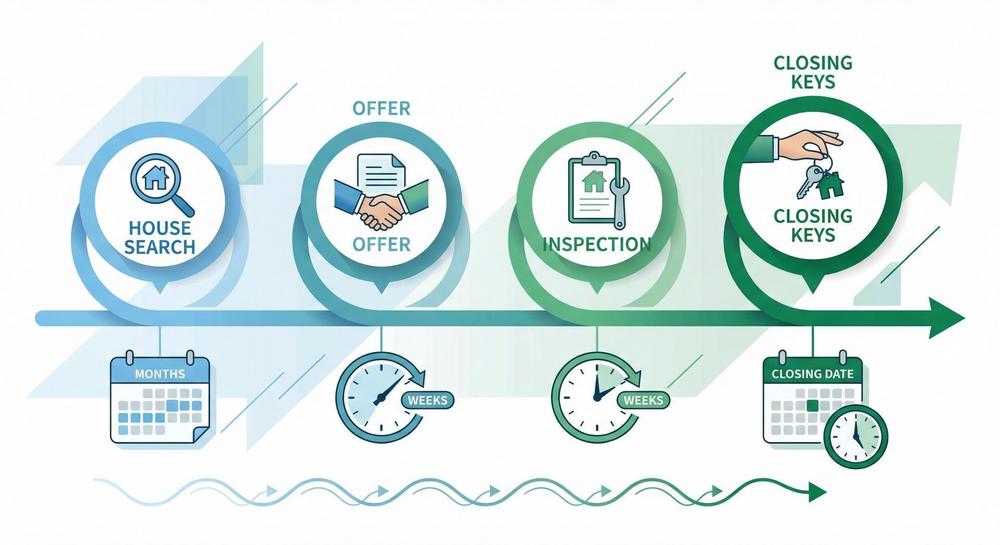
Buying your first home follows a clear path: figure out your budget, get pre-approved, find a real estate agent, tour homes, make an offer, get an inspection, and close. The whole process usually takes 2 to 4 months. It sounds like a lot, but each step is manageable when you know what’s coming.
Step 1: Know Your Budget
Before you look at a single house, know what you can afford. This saves time and heartbreak later.
Add Up Your Savings
You’ll need money for a down payment, closing costs, and moving expenses. Down payments typically range from 3% to 20% of the home price. Closing costs usually run 2% to 5%.
Look at Your Monthly Income
A common guideline is that your housing costs should stay below about 28–30% of your gross monthly income. That includes your payment, taxes, and insurance.
Don’t Forget the Extras
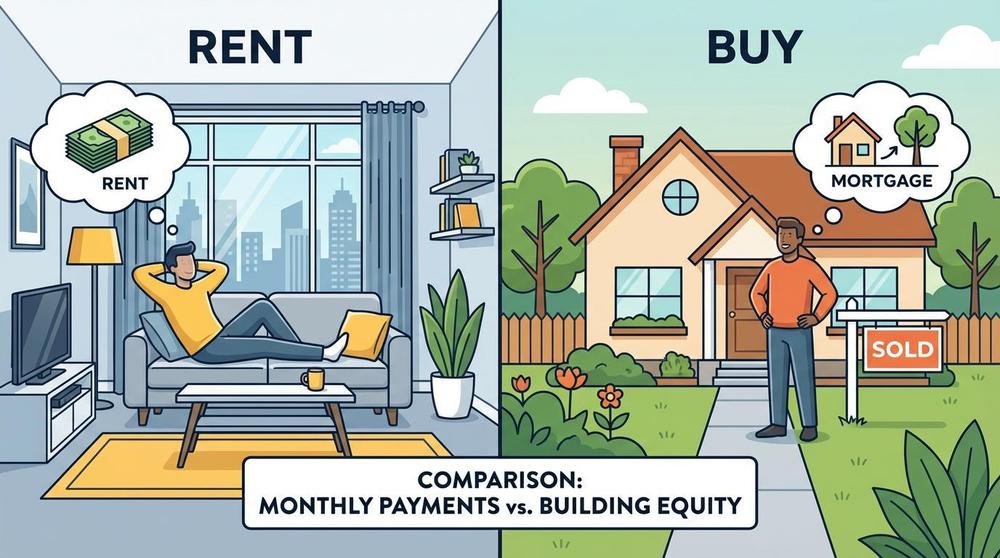
Owning a home costs more than renting. Budget for maintenance, repairs, utilities, and possibly HOA fees. Here’s more on hidden costs to expect.
Step 2: Get Pre-Approved
Pre-approval tells you exactly how much a lender will offer. It also shows sellers you’re serious.
What You’ll Need
A lender will look at your credit score, income, debts, and savings. Have recent pay stubs, tax returns, and bank statements ready.
Pre-Approval vs. Pre-Qualification
Pre-qualification is a rough estimate. Pre-approval is a verified commitment from a lender. Sellers take pre-approval seriously. Pre-qualification? Not so much.
Step 3: Find a Real Estate Agent
A good agent makes the process smoother. They know the market, handle negotiations, and guide you through paperwork.
How to Choose
Look for an agent who knows your target area. Ask friends for referrals. Read online reviews. Interview at least two or three before picking one. Here’s a guide on choosing the right realtor.
What They Do for You
Your buyer’s agent finds listings, schedules showings, writes offers, and negotiates on your behalf. In most cases, the seller pays the agent’s commission, so this help is essentially free to you as a buyer.
Step 4: Start Touring Homes
This is the fun part. But stay focused.
Make a List of Must-Haves
Decide what you need vs. what you want. Bedrooms, bathrooms, location, and yard size are common must-haves. Granite countertops? That’s a want.
Take Notes and Photos
After three or four houses, they start to blur together. Take photos and notes at each showing. It helps when you’re comparing later.
Don’t Rush
It’s tempting to jump on the first home you love. But take your time. Visit the neighborhood at different times of day. Drive the commute. Check nearby noise.
Step 5: Make an Offer
Found the one? Time to write an offer.
Your Agent Writes It
Your agent will draft the offer based on comparable sales, market conditions, and your budget. They’ll advise on price, contingencies, and earnest money.
Earnest Money
This is a deposit that shows the seller you’re serious. It typically ranges from 1% to 3% of the purchase price. It goes toward your down payment at closing. Learn more about earnest money here.
Be Ready to Negotiate
The seller may accept, reject, or counter your offer. Your agent handles the back-and-forth. Stay calm and trust the process.
Step 6: Get a Home Inspection
Once your offer is accepted, hire a home inspector. This is non-negotiable.
What They Check
Inspectors examine the roof, foundation, plumbing, electrical, HVAC, and more. They look for problems you’d never notice on a walkthrough.
What Happens If They Find Issues
Small issues are normal. Big issues, like a failing roof or foundation cracks, give you room to negotiate. You can ask the seller to fix them, reduce the price, or offer a credit at closing. In some cases, you can walk away.
Step 7: Close on Your Home
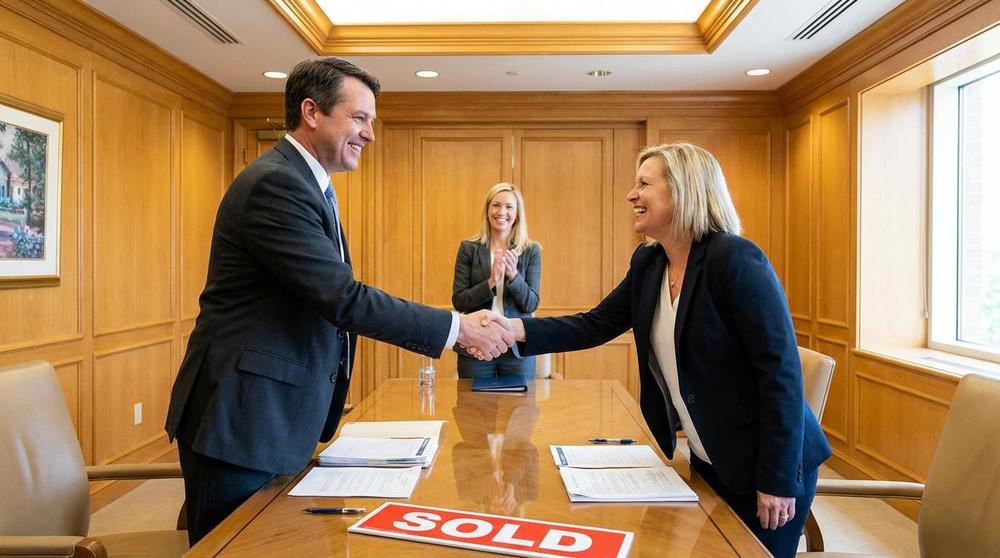
Closing is the final step. You sign the papers, pay the costs, and get the keys.
What to Expect
Closing usually happens at a title company or attorney’s office. You’ll sign a stack of documents, pay your down payment and closing costs, and officially become a homeowner. The whole meeting takes about an hour.
Final Walkthrough
Before closing, you’ll do a final walkthrough of the home. Make sure everything is as expected and any agreed-upon repairs are done.
A Simple Timeline
| Step | Typical Timeframe |
|---|---|
| Budget and pre-approval | 1–2 weeks |
| House hunting | 2–8 weeks |
| Offer and negotiation | 1–2 weeks |
| Inspection and appraisal | 1–2 weeks |
| Closing | 3–6 weeks after accepted offer |
Frequently Asked Questions
How long does it take to buy a house for the first time?
Most first-time buyers take 2 to 4 months from start to close. It depends on how quickly you find a home and how smooth the closing process goes. Here’s a more detailed timeline.
Do I need to be pre-approved before looking at homes?
You don’t need pre-approval to browse listings online. But most sellers and agents expect you to be pre-approved before scheduling in-person tours or making an offer.
How much money do I need to buy my first home?
Plan for a down payment (3%–20% of the price), closing costs (2%–5%), and a few months of savings for emergencies. For a $200,000 home, that’s roughly $10,000 to $50,000 depending on your situation.
Bottom Line
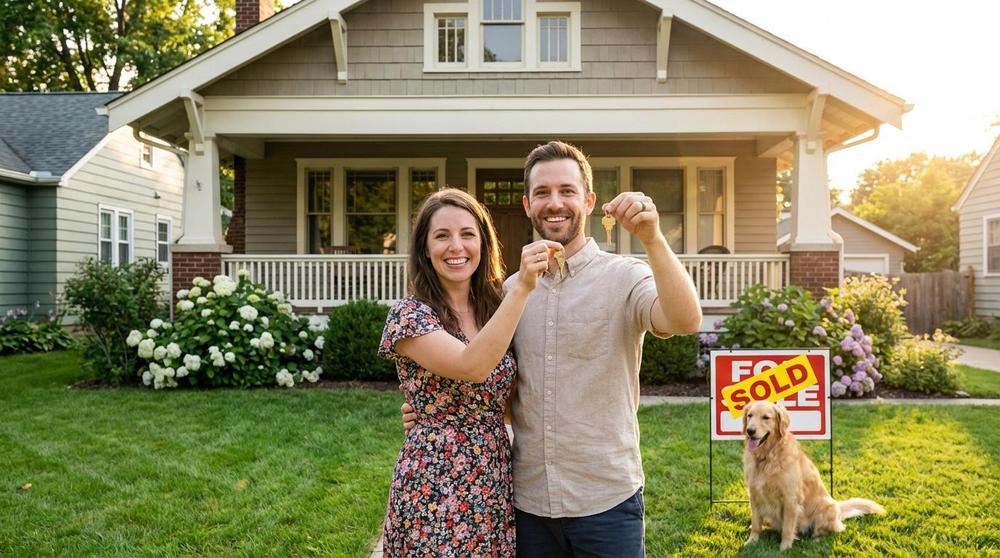
Buying your first home is a big deal, but it doesn’t have to be overwhelming. Follow these steps in order, lean on a good agent, and ask questions along the way. Before you know it, you’ll be holding the keys to your own place.