Quick Answer
Buyer’s remorse after buying a house is normal, and usually temporary. The best way to avoid it is to set realistic expectations, get a thorough home inspection, stick to your budget, and give yourself time to adjust. Most homeowners who feel regret in the first few weeks end up loving their home within a few months.
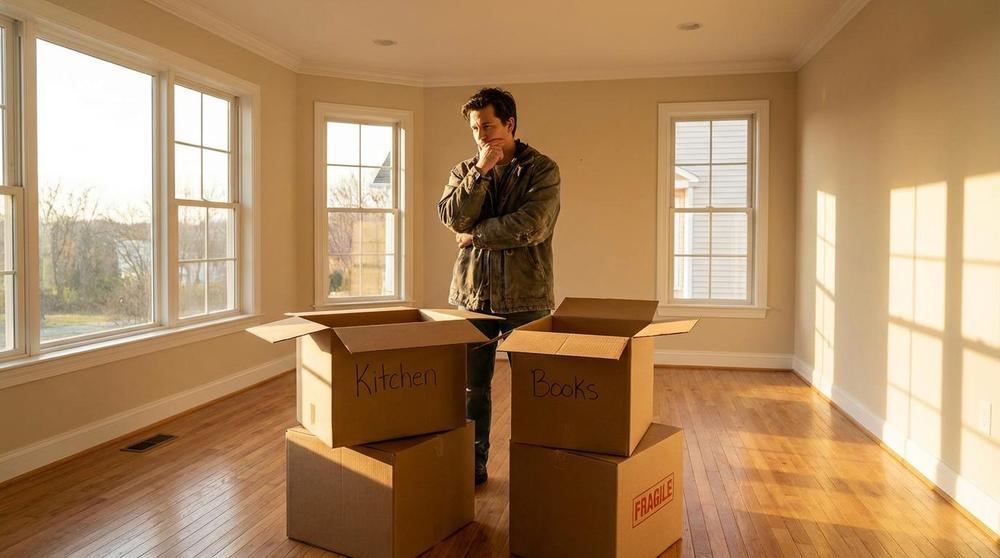
Why Buyer’s Remorse Happens
Buying a home is one of the biggest financial decisions you’ll ever make. Some anxiety afterward is completely normal.
It’s a Huge Commitment
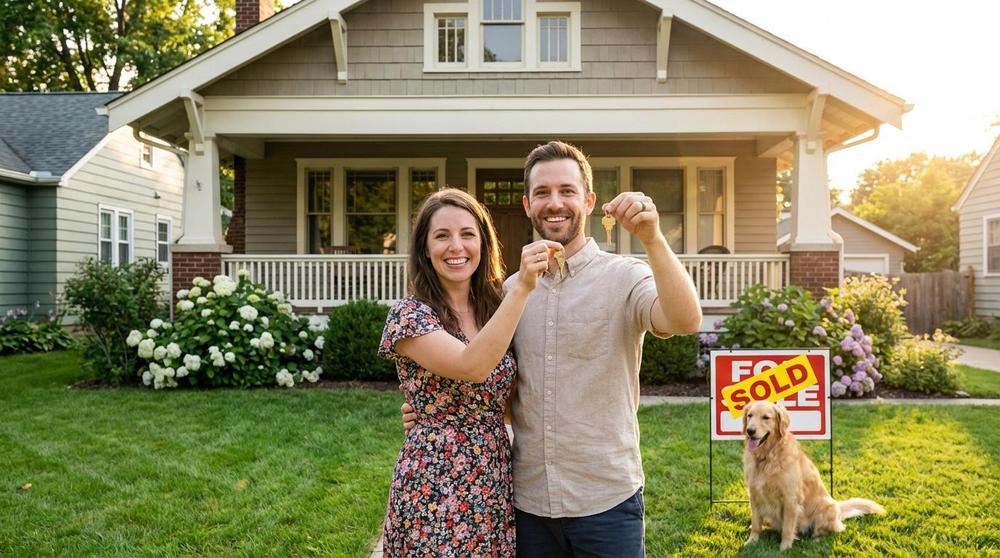
You just signed a stack of papers and committed to years of payments. That’s a lot. Even people who were 100% sure during the buying process sometimes feel a wave of doubt after the keys are in hand.
The “What If” Spiral
What if I overpaid? What if something breaks? What if I should have kept looking? These thoughts creep in, especially in the first few weeks. They’re normal. They usually pass.
The Adjustment Period
Moving is stressful. A new home feels unfamiliar. The commute is different. The sounds at night are weird. All of this adds up to a feeling that something is “off,” even when everything is fine.
How to Prevent Buyer’s Remorse Before You Buy
Stick to Your Budget
The number one regret is spending too much. If you buy at the top of your pre-approval range, every payment feels heavy. Leave room in your budget for comfort, repairs, and life. Here’s how to know if you’re financially ready.
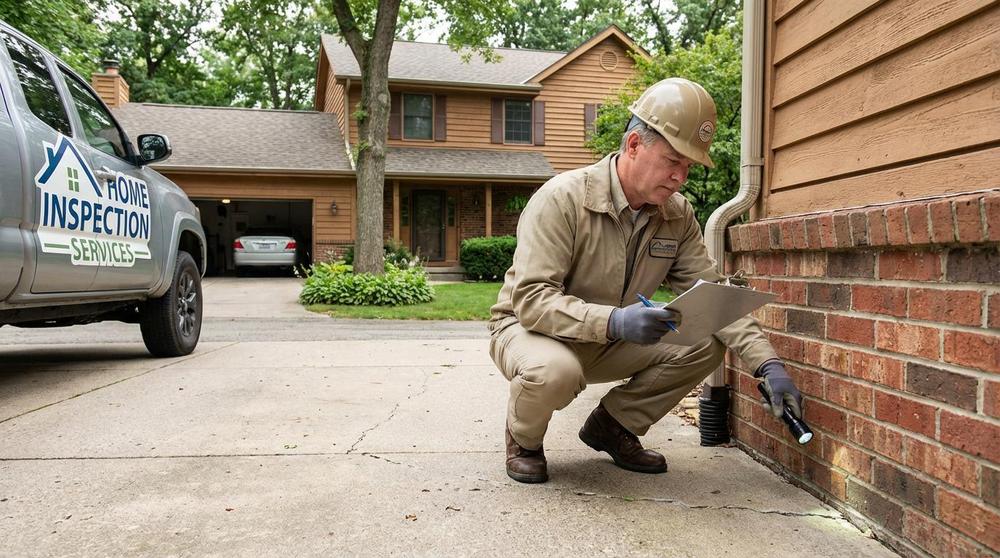
Get a Thorough Home Inspection
Surprises after closing cause regret. A good inspection reveals issues before you commit. Here’s what to expect during an inspection. Knowing exactly what you’re buying eliminates the biggest source of post-purchase anxiety.
Visit the Home Multiple Times
Don’t make your decision based on one showing. Visit at different times of day. Drive the neighborhood at night. Check the commute during rush hour. The more familiar the home feels before you buy, the less unfamiliar it feels after.
Know Your Must-Haves vs. Nice-to-Haves
If the home checks all your must-have boxes, the missing nice-to-haves won’t matter much. But if you compromised on a must-have to get a deal, that compromise will nag you. Be honest about what you need.
Don’t Rush
Pressure from the market, family, or timelines can push you into a decision you’re not ready for. A good deal that you’re not comfortable with isn’t a good deal for you. Take the time you need.
What to Do If You Already Have Buyer’s Remorse
Already bought and feeling the doubt? Here’s how to handle it.
Give It 90 Days
The first three months are the hardest. You’re unpacking, adjusting, discovering quirks, and learning the new routine. Most people who feel remorse at week one feel great by month three. Give it time.
Make One Room Yours
Unpack and fully set up one room, like your bedroom or living room. Having one space that feels like home helps the rest of the house catch up.
Start a Fix-It List (Don’t Panic)
Every home has things you’ll want to change. Write them down. Tackle them one at a time. A running list keeps you in control instead of feeling overwhelmed.
Talk to Other Homeowners
Almost everyone has felt some version of buyer’s remorse. Talking to friends or family who’ve been through it helps normalize the feeling. You’ll hear a lot of “Oh yeah, I felt that too.”
Separate Adjustment From Real Problems
Feeling weird in a new space is adjustment. Finding a cracked foundation is a real problem. Know the difference. If something is genuinely wrong with the home, talk to your agent about options.
When Buyer’s Remorse Is a Red Flag
In rare cases, regret signals a real issue.
You Can’t Afford the Payments
If the monthly payment is genuinely straining your finances, that’s not just remorse. It’s a financial problem. Talk to a financial advisor about your options.
You Discovered Undisclosed Problems
If the seller hid major defects, you may have legal options. Contact your agent and potentially a real estate attorney.
Your Life Situation Changed
Job loss, divorce, or a sudden move can turn a great purchase into a burden. These situations are tough but not uncommon. A good agent can help you assess your options.
Frequently Asked Questions
Is it normal to regret buying a house?
Yes. Studies show that a significant percentage of recent home buyers experience some level of regret, usually related to cost, timing, or the home itself. Most of the time, the feeling fades as you settle in.
How long does buyer’s remorse last?
For most people, it lasts a few weeks to a few months. Once you’re settled, have tackled a few projects, and the home feels like yours, the remorse typically disappears. If it persists beyond 6 months, consider whether there’s a deeper issue.
Can I back out of a home purchase after closing?
After closing, the home is legally yours. Backing out isn’t simple. It would mean selling the home, which takes time and costs money. If you’re having second thoughts before closing, talk to your agent about your options during the contingency period.
Bottom Line
Buyer’s remorse is common, normal, and almost always temporary. The best defense is good preparation: stick to your budget, get a solid inspection, and take your time during the search. If the remorse hits after you buy, give yourself grace and time. That unfamiliar house will start feeling like home sooner than you think.