Quick Answer
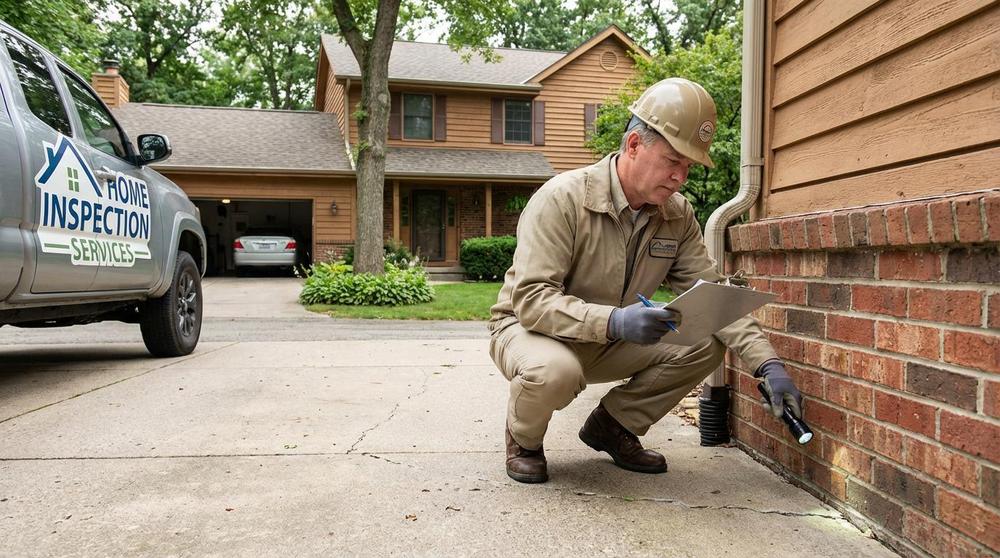
A home inspection is a thorough checkup of a home’s major systems and structure. The inspector examines the roof, foundation, plumbing, electrical, HVAC, and more. It usually takes 2 to 4 hours and costs $300 to $500. The goal is to find problems before you buy, so you can negotiate, plan repairs, or walk away if needed.
Why You Need a Home Inspection
Skipping the inspection to save money or speed up the process is one of the biggest mistakes buyers make.
Homes Hide Problems
Even a beautiful home can have hidden issues: leaky pipes behind walls, outdated wiring, or a roof that’s one storm away from failing. An inspection finds what your eyes can’t.
It Gives You Negotiating Power
If the inspection uncovers problems, you can ask the seller to fix them, lower the price, or provide a credit at closing. Without an inspection, you’d be on the hook for everything.
It’s Peace of Mind
Knowing the true condition of the home before you buy lets you plan ahead. No surprises. No regrets. Just clarity.
What Does a Home Inspector Check?
Inspectors follow a systematic checklist. Here are the major areas.
Roof
The inspector checks for missing shingles, damaged flashing, signs of leaks, and overall condition. They’ll note the roof’s approximate age and whether it’s nearing the end of its life.
Foundation and Structure
Cracks in the foundation, uneven floors, and signs of settling are all red flags. The inspector looks at the overall structural integrity of the home.
Plumbing
Water pressure, drain flow, visible pipes, water heater condition, and signs of leaks. They check kitchens, bathrooms, basements, and utility areas.
Electrical
The inspector checks the main panel, wiring type, outlets, GFCI protection in wet areas, and overall safety. Outdated knob-and-tube or aluminum wiring gets flagged.
HVAC (Heating and Cooling)
Furnace, air conditioning, ductwork, and ventilation are all inspected. The age and condition of these systems affect both comfort and cost.
Windows and Doors
Inspectors check for proper operation, seal condition, and drafts. Broken seals or fogged double-pane windows get noted.
Attic and Insulation
Proper insulation and ventilation in the attic affect energy efficiency and roof life. The inspector looks for adequate coverage and signs of moisture.
Basement and Crawl Space
Water stains, mold, efflorescence on walls, and standing water are all warning signs. Basements are one of the most common problem areas in older homes.
What Inspectors Don’t Check
Home inspections are thorough but not all-inclusive.
Behind Walls
Inspectors examine visible and accessible areas. They don’t cut into walls, pull up flooring, or move furniture. Hidden problems behind finished surfaces may not be caught.
Specialty Systems
Septic tanks, wells, radon, mold, and pest infestations usually require separate inspections by specialists. Ask your agent if any of these are recommended for the home you’re buying.
Cosmetic Issues
Inspectors focus on function and safety, not paint colors or dated fixtures. A 1990s bathroom is ugly, not a defect.
How Long Does It Take?
A typical home inspection takes 2 to 4 hours depending on the home’s size, age, and condition.
Smaller Homes
A 1,200 square-foot ranch might take about 2 hours.
Larger or Older Homes
A 3,000 square-foot home built in the 1950s might take 3 to 4 hours. Older homes have more systems to examine and more potential issues.
Should You Attend the Inspection?
Yes. Absolutely.
Why Being There Helps
Walking through with the inspector lets you see issues firsthand, ask questions on the spot, and understand the severity of any findings. A written report is helpful, but seeing it in person is better.
What to Bring
Wear comfortable shoes and bring a notebook. Don’t be afraid to ask questions. Good inspectors love explaining what they’re finding and why it matters.
What Happens After the Inspection?
The inspector delivers a detailed written report, usually within 24 to 48 hours.
Review the Report
Go through it with your real estate agent. Focus on big-ticket items: roof, foundation, plumbing, electrical, and HVAC. Minor issues like a loose doorknob aren’t deal-breakers.
Decide Your Next Step
You generally have three options:
- Ask the seller to make repairs before closing
- Negotiate a price reduction or closing credit
- Walk away if the issues are too severe (if your contract has an inspection contingency)
Keep Perspective
Every home has something. A 30-year-old furnace isn’t great, but it’s not the end of the world if the price is right. Focus on safety and major systems.
Frequently Asked Questions
How much does a home inspection cost?
Most home inspections cost between $300 and $500, depending on the home’s size and location. Specialty inspections (radon, septic, mold) are additional, usually $100 to $300 each.
Can a home fail an inspection?
Inspections aren’t pass/fail. The inspector identifies issues and their severity. You and your agent decide whether the findings are acceptable, negotiable, or a deal-breaker.
Who pays for the home inspection?
The buyer pays for the home inspection. It’s one of the upfront costs of buying a home. It’s also one of the best investments you’ll make in the process.
Bottom Line
A home inspection is your safety net. It shows you what you’re really buying before you sign on the dotted line. Attend the inspection, review the report carefully, and use the findings to make an informed decision. A few hundred dollars now can save you thousands later.