Quick Answer
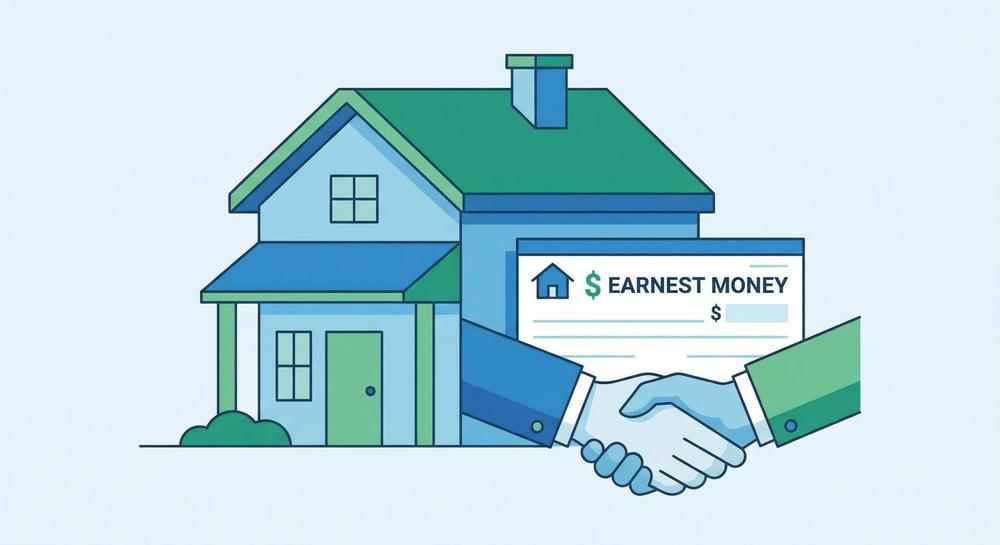
Earnest money is a good-faith deposit you pay when your offer on a home is accepted. It shows the seller you’re serious about buying. Most buyers put down 1–3% of the home price. The money goes into an escrow account and is applied to your purchase at closing.
How Earnest Money Works
When the seller accepts your offer, you deposit earnest money into an escrow account. This account is held by a neutral third party - usually a title company or real estate attorney.
The money stays there until closing. At closing, it’s applied to your down payment or closing costs. You don’t lose it - it becomes part of what you’re already paying.
How Much Earnest Money Should You Put Down?
The Standard Range
- 1–3% of the home price is typical.
- In competitive markets, some buyers offer more to stand out.
Examples
| Home Price | 1% Earnest | 2% Earnest | 3% Earnest |
|---|---|---|---|
| $150,000 | $1,500 | $3,000 | $4,500 |
| $250,000 | $2,500 | $5,000 | $7,500 |
| $350,000 | $3,500 | $7,000 | $10,500 |
When to Offer More
- The market is hot and you’re competing with other buyers.
- The seller has multiple offers.
- You want to show strong commitment.
When Less Is Fine
- It’s a buyer’s market with less competition.
- The home has been on the market a long time.
- You’re working with limited cash.
Where Does the Money Go?
Earnest money goes into an escrow account - not directly to the seller. A title company, real estate attorney, or broker holds it.
At closing, it’s credited to you. Think of it as an early payment on your home, not an extra cost.
Can You Lose Your Earnest Money?
Yes, but only in certain situations.
When You’re Protected
Your purchase agreement includes contingencies - conditions that must be met for the deal to go through. Common contingencies include:
- Inspection contingency – If the inspection reveals major problems, you can walk away and get your money back.
- Financing contingency – If your loan falls through, you get your deposit back.
- Appraisal contingency – If the home appraises for less than the offer price, you can renegotiate or walk away.
If any contingency isn’t met, you can typically cancel the contract and keep your earnest money.
When You Could Lose It
- You back out for no valid reason after contingencies are removed.
- You miss contract deadlines.
- You simply change your mind after waiving contingencies.
Tip: Never waive contingencies unless you fully understand the risk.
Tips to Protect Your Earnest Money
- Include contingencies in your offer. Inspection, financing, and appraisal contingencies protect you.
- Meet all deadlines. Late responses can void your protections.
- Use a reputable escrow holder. Make sure a licensed title company or attorney holds the funds.
- Document everything. Keep copies of all agreements and communications.
- Work with a good agent. They’ll make sure your contract protects you.
Earnest Money vs. Down Payment
These are not the same thing, but they’re connected.
- Earnest money is a small deposit made when your offer is accepted.
- Down payment is the larger amount you pay at closing (3.5–20%+ of the home price).
Your earnest money is credited toward your down payment or closing costs at closing. It’s not an additional expense.
Frequently Asked Questions
Is earnest money refundable?
Yes, if you have contingencies in your contract and one of them isn’t met. For example, if the home inspection reveals major issues or your financing falls through, you can get your earnest money back. If you back out without a valid reason, you may forfeit it.
What happens to earnest money at closing?
It’s applied to your purchase. It goes toward your down payment or closing costs. You don’t pay it on top of everything else - it’s part of what you already owe.
Do I have to put down earnest money?
It’s not legally required in every state, but it’s expected in most real estate transactions. Sellers are unlikely to accept an offer without it. Going without earnest money signals that you’re not serious.
Bottom Line
Earnest money is a small but important part of buying a house. It shows the seller you’re committed and protects your spot in the deal. Put down 1–3% of the home price, include contingencies in your contract, and meet your deadlines.
Your next step: Talk to your real estate agent about the right earnest money amount for your market and situation.