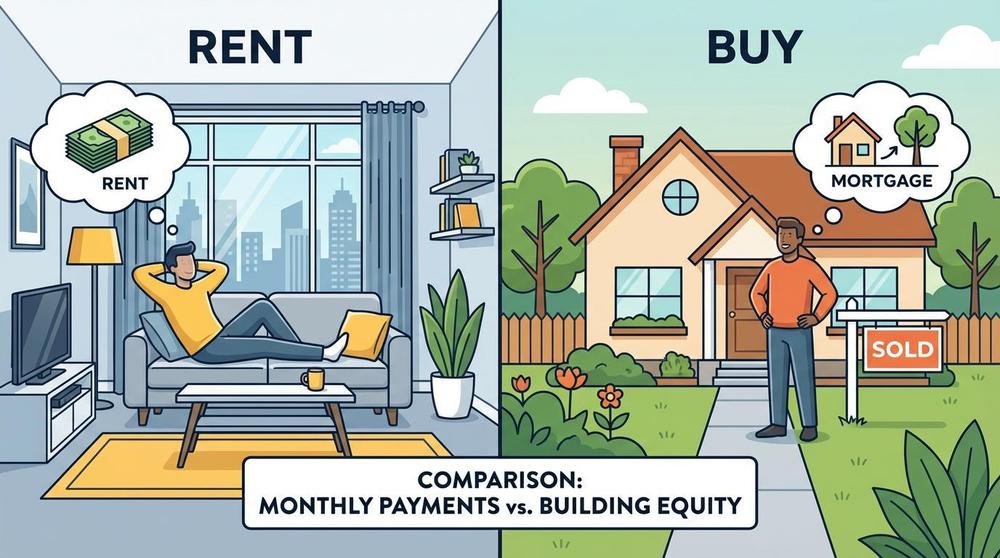
Quick Answer
When buying a home with dogs, consider five things: a fenced yard (or room for an invisible fence), space for zoomies, distance from busy roads, floor materials that hold up to paws, and HOA rules about pets. Get these right and your dog will thank you—probably with more zoomies.
Fences and Yard Space
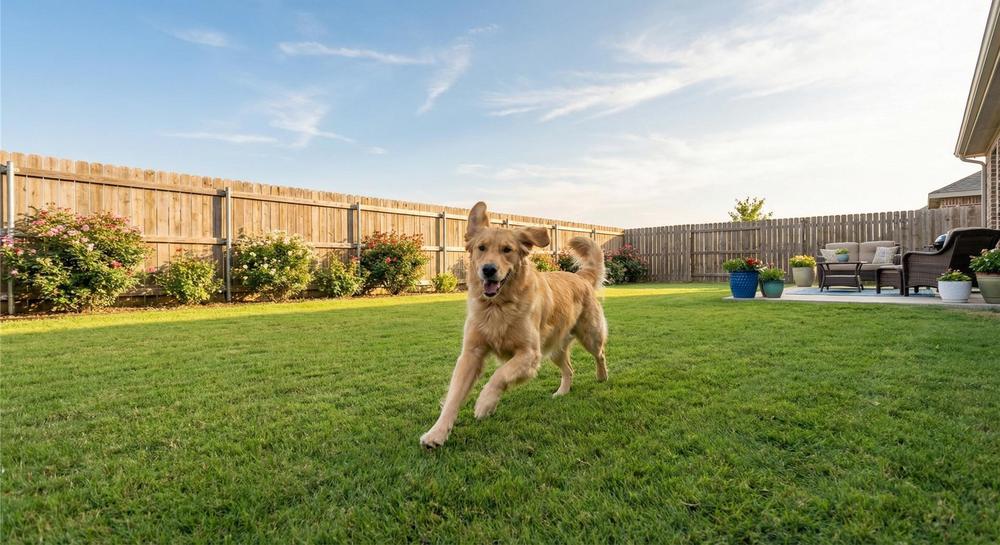
Dogs need a safe place to run. A yard with a fence is ideal. No fence? Check if you can add one or use an invisible fence.
Physical Fences vs. Invisible Fences
A real fence keeps your dog in and other animals out. It works for most dogs. An invisible fence uses a buried wire and a collar. It works for some dogs but not all. Stubborn pups might run through the beep for a squirrel. Know your dog.
Room for Zoomies
Dogs need space to run in circles. A tiny patio won’t cut it for a big dog. Look for a yard with enough room for your dog to sprint, turn, and sprint again. If you’re not sure, picture your dog at full speed. Would they have room? That’s your answer.
Proximity to Roads
Homes near busy roads are risky for dogs. A loose dog can dart into traffic. Even with a fence, noise can stress some dogs.
What to Look For
- A yard that does not back up to a main road.
- A buffer (trees, distance) between the yard and any street.
- A quiet street if the yard is near the road.
Why It Matters
Dogs can slip out doors. Gates can fail. The farther from traffic, the safer your dog is if something goes wrong.
Floor Materials
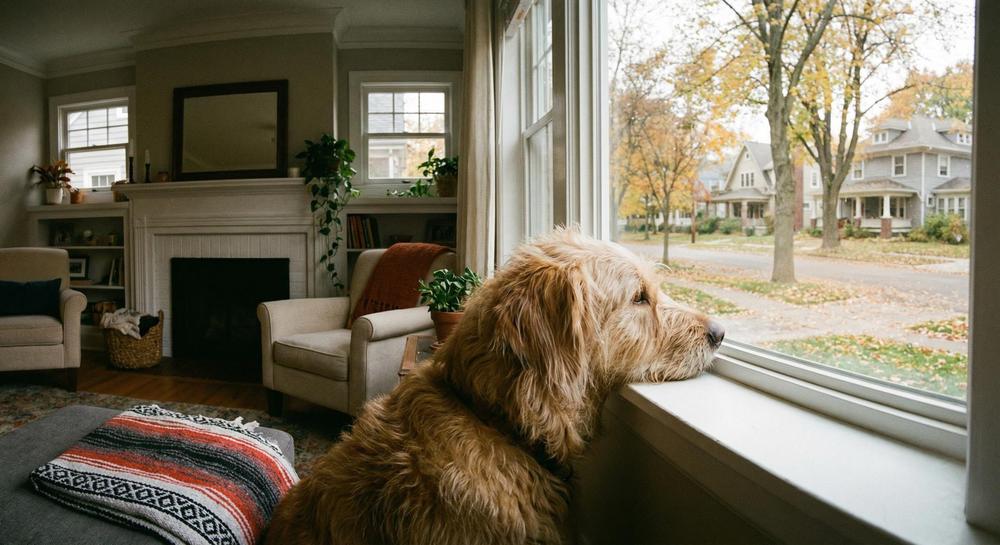
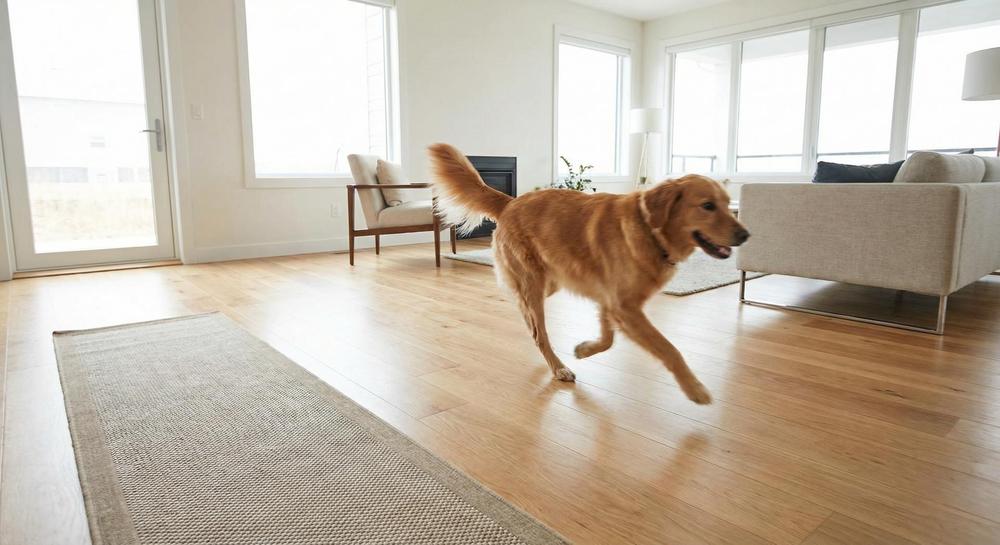
Dogs scratch floors. They track in dirt and sometimes have accidents. Some floors handle this better than others.
Best Options for Dogs
- Hardwood – Holds up well if you keep nails trimmed. Scratches can be sanded and refinished.
- Laminate or vinyl – Tough and easy to clean. Good for messy pups.
- Tile – Very durable. Cool in summer. Can be slippery for older dogs.
Floors to Think Twice About
- Carpet – Traps hair, dirt, and smells. Hard to clean. Some dogs love it; your vacuum won’t.
- Soft wood – Scratches easily. May not be worth it with a big, active dog.
HOA Restrictions
Some neighborhoods have rules about pets. Check before you buy.
Common HOA Pet Rules
- Breed limits – Some HOAs ban certain breeds.
- Number of pets – You may be limited to one or two dogs.
- Fence rules – Height, type, or placement may be restricted.
- Noise – Barking rules can apply.
What to Do
Ask for the HOA documents before you make an offer. Read the pet section. If you have a restricted breed or need a fence, this could be a deal breaker.
A Simple Checklist Before You Buy
- Yard has a fence or room for an invisible fence
- Enough space for your dog to run (zoomies test)
- Yard is not right next to a busy road
- Floors are dog-friendly (hardwood, tile, vinyl, or laminate)
- HOA allows your breed and number of pets
- HOA allows the fence you want (if you need one)
Frequently Asked Questions
What should I look for in a home if I have a dog?
Look for a fenced yard (or space for one), room for your dog to run, distance from busy roads, durable floors (hardwood, tile, vinyl), and HOA rules that allow your pets and fence type.
Are invisible fences a good option for dogs?
Invisible fences work for some dogs but not all. Stubborn or high-drive dogs may run through the boundary. A physical fence is usually safer and more reliable for most dogs.
Can an HOA ban my dog?
Yes. HOAs can restrict breeds, limit the number of pets, or ban pets entirely. Always read the HOA documents before buying a home if you have dogs.
Bottom Line
Buying a home with a dog means thinking about fences, yard space, roads, floors, and HOA rules. Check each one before you buy. Your dog will thank you—probably with a tail wag and a zoom around the new yard.