Quick Answer
Yes - a rental property can be a solid first investment if the numbers work. You’ll need a down payment (usually 20–25%), an emergency fund, and a property that earns more in rent than it costs each month. Start with one single-family home in a good rental market .
Why Rental Properties Work for Beginners
Rental properties are one of the most proven ways to build wealth. Here’s why they work.
Monthly Cash Flow
Rent comes in every month. If rent is higher than your expenses, you keep the difference. Even $200/month adds up over time.
Appreciation
Property values tend to rise over the long term. While you collect rent, your property may also grow in value.
Tax Benefits
Rental property owners can deduct mortgage interest, property taxes, insurance, repairs, and depreciation. Talk to a tax professional for details.
Someone Else Pays Your Mortgage
Your tenant’s rent covers your mortgage payment. Over time, they’re building your equity for you.
The Costs You Need to Know
Don’t just look at the purchase price. Here’s what a rental property really costs.
Upfront Costs
- Down payment: 20–25% for investment properties.
- Closing costs: 2–5% of the purchase price.
- Inspection and appraisal: $500–$1,000.
- Initial repairs: Budget for paint, cleaning, and small fixes.
Monthly Costs
- Mortgage payment (principal + interest)
- Property taxes
- Insurance
- Maintenance (budget 1–2% of home value per year)
- Property management (8–10% of rent, if you hire one)
- Vacancy reserve (budget for 1 month empty per year)
How to Know If You’re Ready
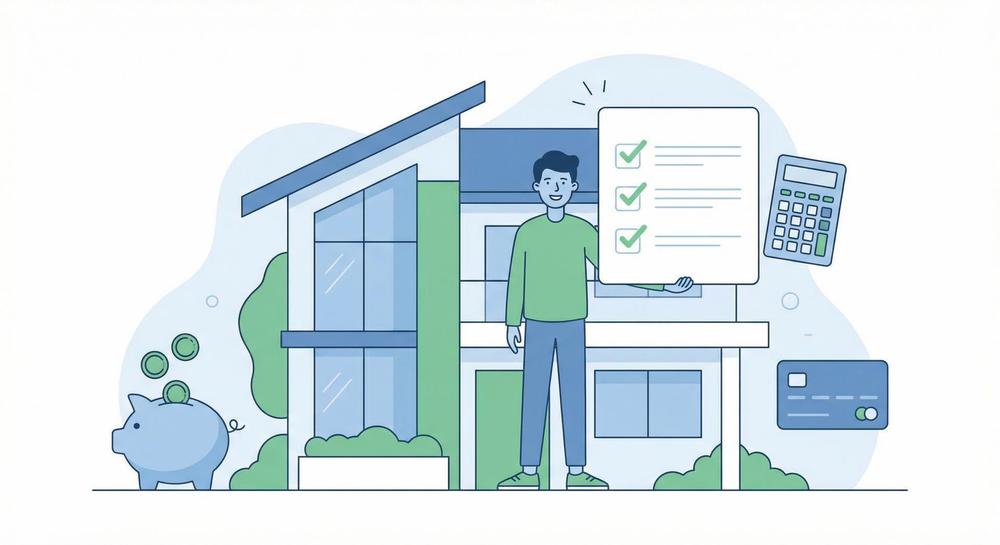
Financial Checklist
- 20–25% saved for a down payment
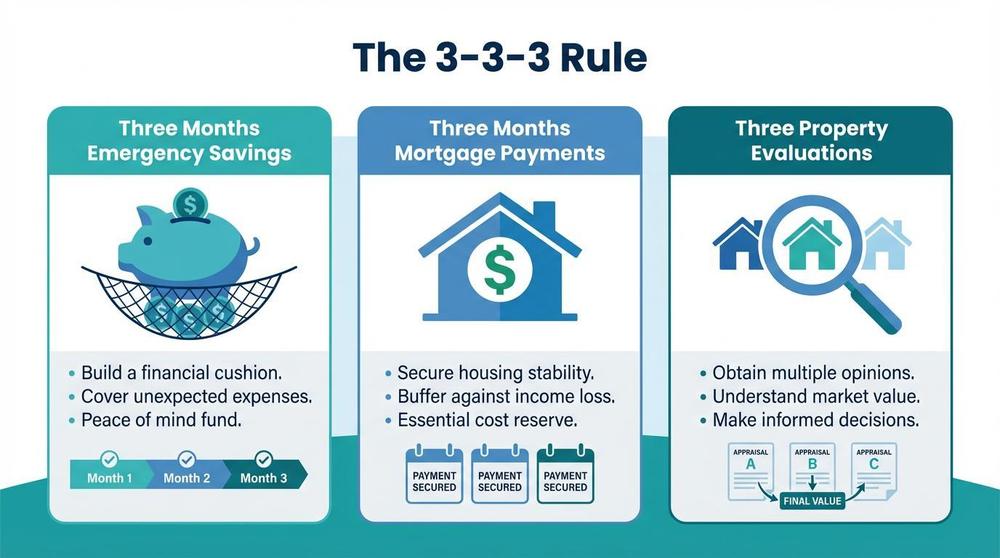
- 3–6 months of expenses in an emergency fund
- Good credit score (680+)
- Stable income from your primary job
- Extra cash for repairs and vacancies
Personal Checklist
- Willing to deal with tenants (or pay a manager)
- Comfortable with the risks
- Patient - this is a long-term play
- Ready to learn about landlord-tenant laws
If you can check most of these, you may be ready.
How to Pick Your First Rental Property
Location First
Look for areas with:
- Strong job growth
- Good schools
- Low crime
- Consistent rental demand
- Low vacancy rates
Run the Numbers
Use the simple cash flow formula:
Monthly rent – (mortgage + taxes + insurance + repairs + vacancy) = cash flow
If the answer is positive, it’s worth a closer look. If it’s negative, keep searching.
Start Small
A single-family home or a duplex is the best first rental. They’re easier to manage, easier to finance, and easier to sell later.
Pros and Cons
Pros
- Monthly income from rent
- Long-term wealth building
- Tax advantages
- You control the investment (unlike stocks)
- Tenants pay down your mortgage
Cons
- Requires significant upfront cash
- Maintenance and repair headaches
- Bad tenants can cost you money
- It’s not truly passive - it takes time and effort
- Property values can drop in the short term
Self-Manage or Hire a Property Manager?
Self-Manage If:
- You live near the property.
- You’re handy and can handle small repairs.
- You have time to respond to tenant issues.
- You want to keep more of the rent.
Hire a Manager If:
- You live far from the property.
- You don’t want to deal with tenants.
- You value your time over the 8–10% management fee.
- You’re scaling to multiple properties.
Frequently Asked Questions
How much money do I need to buy a rental property?
Plan for 20–25% down plus closing costs (2–5%), reserves for repairs, and a 3–6 month emergency fund. For a $150,000 property, budget $40,000–$55,000 to get started comfortably.
Is a rental property better than stocks?
Both have pros and cons. Rental properties offer cash flow, tax benefits, and leverage. Stocks offer liquidity and passive growth. Many investors do both. Real estate gives you more control but requires more work.
What’s the biggest mistake first-time rental property buyers make?
Underestimating expenses. New landlords often forget about vacancy, repairs, property management fees, and capital improvements. Run the numbers with realistic costs - not best-case scenarios.
Bottom Line
A rental property can be a great first investment if you’re financially prepared and willing to do the work. Start with one property, run the numbers, and build from there.
Your next step: Get pre-approved for an investment property loan. Then talk to a local agent about rental market conditions in your area.