Quick Answer
Yes. If you fly a drone for real estate photography and get paid for it, you need an FAA Part 107 Remote Pilot Certificate. Interior shots with a regular camera? No license needed. The moment you put a drone in the air for a paid listing, the FAA wants to see that certificate. No exceptions.
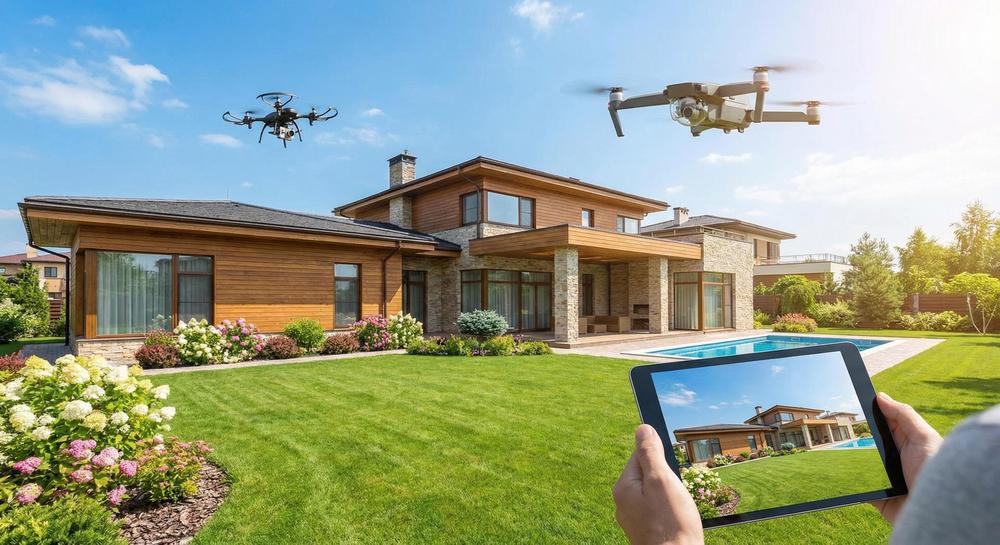
What Is Part 107?
Part 107 is the FAA’s rule set for flying drones for business. It covers who can fly, when, where, and how.
Why It Exists
The FAA treats commercial drone flights like any other aircraft. They want to know pilots understand airspace, weather, and safety. Real estate photography counts as commercial. You’re getting paid to fly. That’s the line.
Who Needs It
Anyone who flies a drone for money needs Part 107. That includes real estate photographers, videographers, and anyone else capturing aerial shots for listings. Hobby flying for fun? Different rules. The moment money changes hands, Part 107 applies.
When Do You Need Part 107 for Real Estate Work?
You need Part 107 only for the drone part of the job. Not for everything.
Drone Shots = Part 107 Required
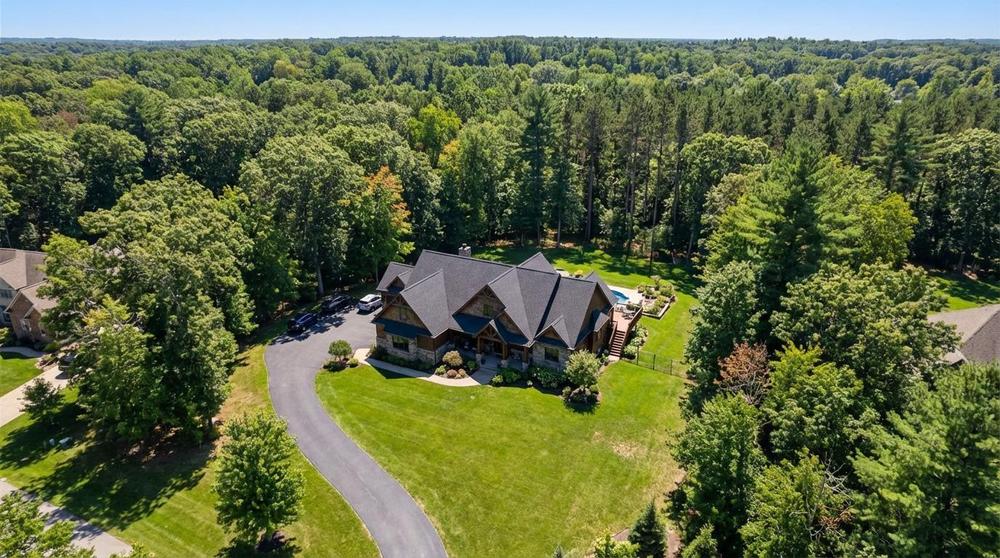
Aerial photos of the roof, yard, or neighborhood? Part 107 required. Exterior drone video? Part 107 required. Any drone flight where you’re paid for the result falls under commercial rules.
Interior Shots = No Part 107
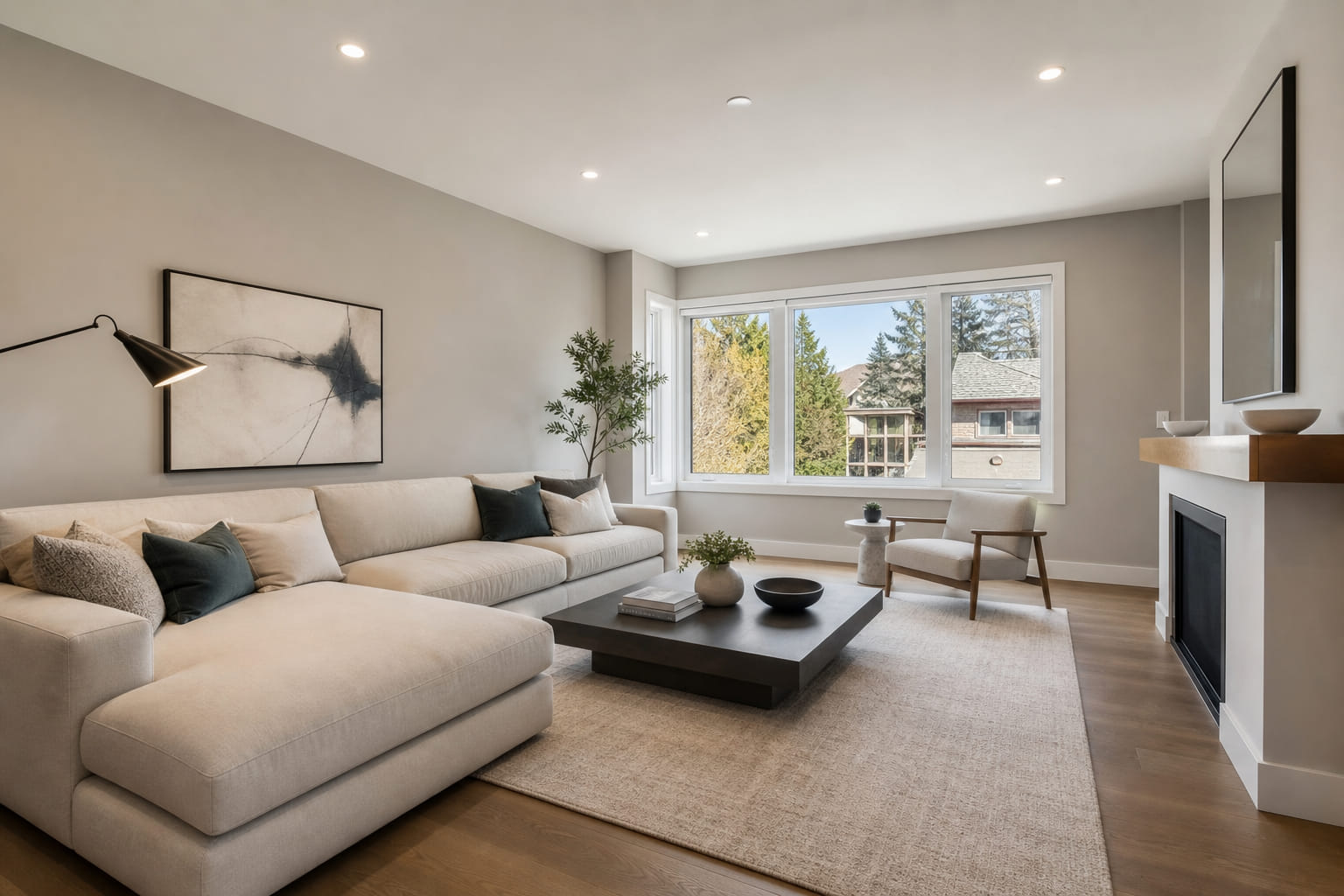
Shooting inside with a camera or phone? No Part 107 needed. That’s standard photography. The FAA cares about what’s in the air, not what’s in the living room.
The Simple Test
Ask: “Am I flying a drone for pay?” If yes, you need Part 107. If no, you don’t.
What Happens If You Fly Without Part 107?
Flying commercially without a Part 107 certificate is illegal. The FAA can issue fines.
Possible Penalties
Civil penalties can reach over $32,000 per violation. That’s per flight, not per year. A few “quick” drone shoots without a license could add up fast. Not worth the risk.
Why Agents and Sellers Care
Smart agents and sellers want licensed pilots. It protects them if something goes wrong. It also shows you’re serious about doing things right. Unlicensed work can create liability for everyone involved.
How Do You Get Part 107?
You take a test. Pass it. Register with the FAA. Then you’re legal.
The Test
You must be at least 16 years old. Schedule an aeronautical knowledge test at an FAA-approved testing center. The test covers airspace, weather, regulations, and safety. Study guides and online courses can help. Most people pass with a few weeks of prep.
After You Pass
You apply for your Remote Pilot Certificate through the FAA’s IACRA system. Once approved, you’re certified. You must renew every two years with a free online recurrent training course.
How Long It Takes
Most people study for 1–3 weeks and pass on the first try. The test itself takes about 2 hours. Plan for a few weeks from start to certificate in hand.
Part 107 Rules You’ll Follow
Once certified, you must follow FAA operating rules. Here are the main ones for real estate work.
Visual Line of Sight
You must keep your drone in sight at all times. No flying behind trees or buildings where you can’t see it. For most listing shots, this is easy.
Altitude Limit
You can fly up to 400 feet above the ground. For a typical house, that’s plenty. You’re not filming a mountain.
Daylight Only (Usually)
Part 107 flights are during daylight—30 minutes before sunrise to 30 minutes after sunset. Twilight shots for listings often use a regular camera, not a drone. If you need night drone shots, you can apply for a waiver.
No Flying Over People
You can’t fly directly over people who aren’t part of your crew. For real estate, you’re usually over a yard or roof. Stay aware of who’s on the property.
Do I Need Part 107 for Real Estate Photography? Bottom Line
Yes. If you fly a drone for paid real estate photography, you need Part 107. Interior and ground-level shots don’t require it. Get certified, follow the rules, and you’re good to go. Your clients will appreciate it. So will the FAA.