Quick Answer
Sellers come to listing appointments armed with questions—often the same ones Realtor.com and other consumer guides recommend. When you hear objections or skepticism around those questions, you’re not being challenged; you’re being given a chance to differentiate yourself. Here’s how to turn each of the top 10 seller questions into a trust-building moment.

Source: Based on Realtor.com’s “10 Crucial Questions To Ask a Real Estate Agent When Selling Your Home”
1. “What Are Your Credentials?” — Objection: “Anyone can get a license.”
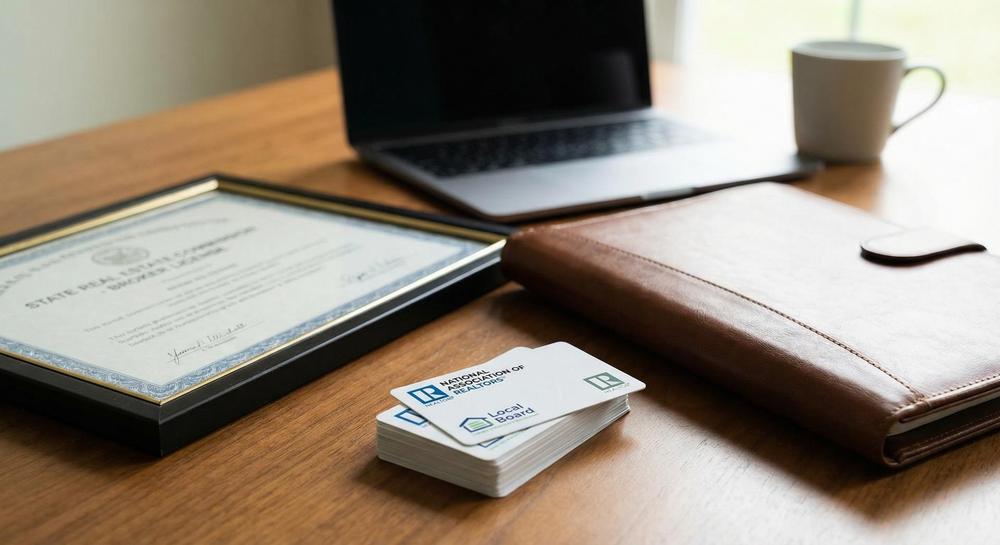
The Concern: Sellers worry that a license alone doesn’t mean you’re qualified. They’ve read that agents should have state licensure and belong to their local real estate trade association with access to the MLS.
How to Overcome It:
- Lead with your license number and association memberships (e.g., NAR, state association, local board).
- Explain that MLS access is non-negotiable—it’s how your listing reaches the widest buyer pool. As Realtor.com notes, agents should have access to the MLS through their local trade association.
- Mention designations (e.g., ABR, CRS, SRS) if you have them—they signal ongoing education and specialization.
- Keep it brief: “I’m licensed in [state], a member of [association], and have full MLS access. Here’s my license number if you’d like to verify.”
2. “How Many Sales Did You Close Last Year?” — Objection: “I’m not sure volume matters.”
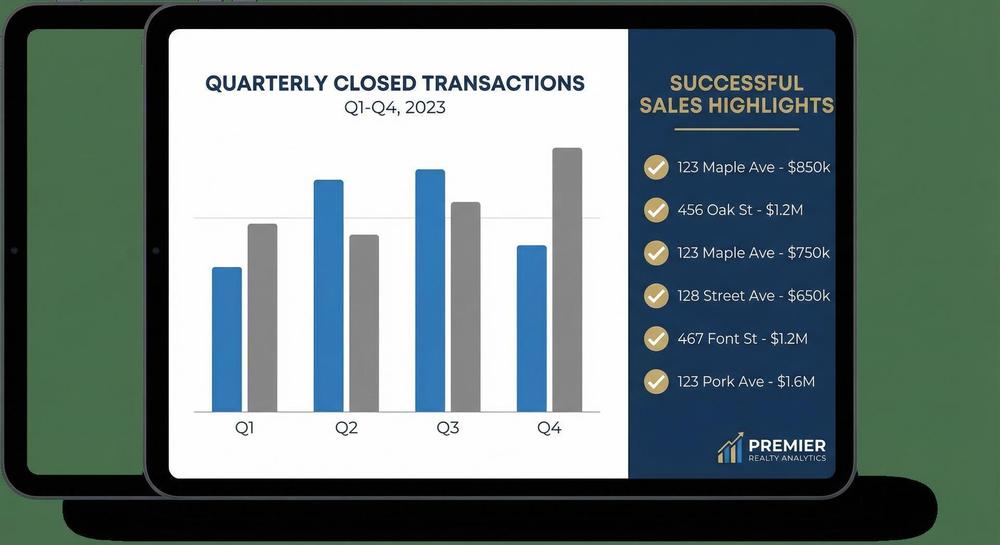
The Concern: Sellers may downplay volume or wonder if a newer agent can still deliver. Realtor.com advises asking about track record and the price range of homes sold.
How to Overcome It:
- Share your closed transaction count and the price ranges you typically work in.
- If you’re newer: pivot to your team’s volume, your broker’s support, or your intense focus on fewer clients.
- Use data: “I closed [X] homes last year in the [price range] range—homes very similar to yours. Here’s a breakdown of days on market and list-to-sale ratios.”
- Offer to show recent closed listings so they can see your marketing and results.
3. “What’s Your Experience in My Neighborhood?” — Objection: “You don’t know this area.”
The Concern: Sellers want an agent who knows local trends, buyer preferences, and recent comparable sales. Realtor.com and other guides emphasize neighborhood-specific experience.
How to Overcome It:
- Bring a neighborhood-specific CMA with recent sales in their zip code or subdivision.
- Reference specific streets, schools, and amenities: “I’ve sold three homes on [street] in the past two years. Buyers here care about [X].”
- If you’re newer to the area: be honest, then compensate. “I’ve been building my presence here for [X] months and have studied every recent sale. Here’s what the data shows about your neighborhood.”
- Use hyperlocal stats: average days on market, price per square foot, and buyer demographics.

4. “What’s Your Strategy for Pricing My Home?” — Objection: “I think it’s worth more.”
The Concern: Sellers often have emotional or Zillow-inflated price expectations. Realtor.com recommends agents provide a detailed comparative market analysis (CMA) and explain their pricing approach.
How to Overcome It:
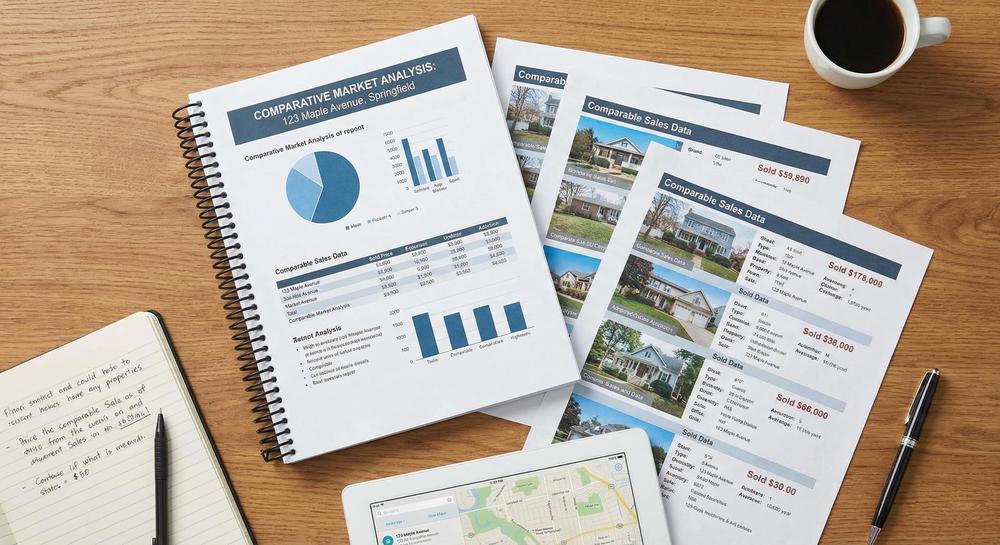
- Present a CMA with comparable homes—similar size, condition, and location—and explain why each comp was chosen.
- Address online estimates directly: “Zillow and similar tools use algorithms, not local nuance. Here’s what actually sold in your neighborhood and why.”
- Use the “price range” approach: “Based on the data, I recommend listing between [X] and [Y]. Here’s how we’ll test the market and adjust if needed.”
- Tie price to marketing: *“At this price, we’ll attract serious buyers. Overpricing leads to fewer showings and lower final offers.”
5. “How Will You Market My Home?” — Objection: “Isn’t it just MLS and Zillow?”
The Concern: Sellers may assume all agents do the same thing. Realtor.com advises asking about professional photography, virtual tours, MLS listings, social media, open houses, and online presence.
How to Overcome It:
- Walk through a concrete marketing plan: professional photography, video walkthrough, 3D tour, drone footage, social media, email blasts, and open houses.
- Show before-and-after examples: “Here’s a listing I shot with my phone vs. one with professional photography. See the difference?”
- Cite stats: listings with professional photos and video get more inquiries and often sell faster. Explain why you don’t skip media from day 1. Share why pro photography is worth it.
- Offer a written marketing checklist so they can compare you to other agents.

6. “What Do I Need to Do to Get My Home Ready?” — Objection: “I don’t want to spend a lot.”
The Concern: Sellers fear expensive staging and repairs. Realtor.com suggests agents advise on staging, repairs, and curb appeal.
How to Overcome It:
- Prioritize low-cost, high-impact items: decluttering, deep cleaning, minor repairs, and curb appeal. Share our real estate photography checklist so they know exactly what to tackle before listing photos.
- Offer a tiered plan: “Must-do items that cost little or nothing vs. nice-to-haves that could add value.”
- Use virtual staging as an alternative to physical staging for empty or dated spaces.
- Be specific: “Based on your home, I’d focus on [X, Y, Z]. We can tackle the rest together—I have trusted vendors if you need them.”

7. “What Are Your Fees?” — Objection: “Your commission seems high.”
The Concern: Sellers focus on the percentage. Realtor.com notes that commission rates are typically 5–6% and negotiable, and that sellers should clarify what’s included.
How to Overcome It:
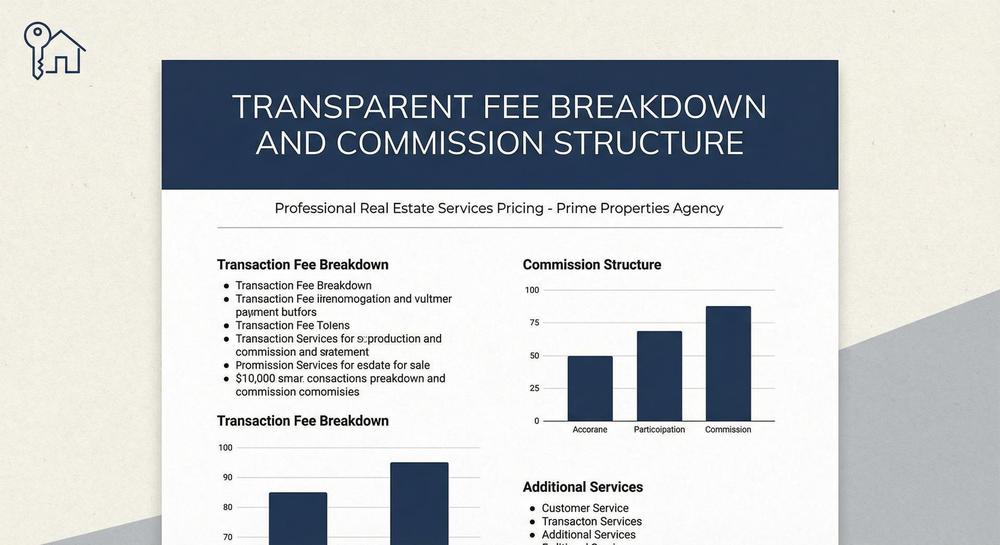
- Lead with value, not price: “Here’s everything included in my fee: professional photography, video, 3D tour, drone, staging consultation, marketing, and negotiation support.”
- Break down the cost: “On a [price] home, that’s [X]—and it covers both listing and buyer’s agent commission. You’re paying for expertise and results.”
- Compare to alternatives: “Discount brokers often charge extra for photography and marketing. My fee is all-inclusive.”
- Be transparent: “Commission is negotiable, but here’s what I deliver for this fee—and why it’s an investment, not an expense.”
8. “How Will You Communicate With Me?” — Objection: “I’ve heard agents go dark after listing.”
The Concern: Sellers worry about being left in the dark. Realtor.com recommends establishing preferred contact methods and frequency of updates.
How to Overcome It:
- Set clear expectations: “I’ll update you [daily/weekly] via [text/email/call]—you choose. You’ll hear from me after every showing with feedback.”
- Offer a communication plan in writing: response time, update frequency, and how you’ll handle offers and negotiations.
- Use technology: “You’ll get automatic showing notifications and a dashboard to track activity.”
- Promise responsiveness: “I aim to respond within [X] hours. If you need me urgently, here’s my cell.”

9. “Do You Work Full-Time or Part-Time?” — Objection: “Are you really available when I need you?”
The Concern: Sellers want an agent who is fully committed. Full-time agents typically offer greater availability.
How to Overcome It:
- State your commitment clearly: “Real estate is my full-time career. I’m available [days/hours] and have systems in place for after-hours showings and offers.”
- If part-time: be honest and address the concern. “I work [X] hours per week in real estate and have a team/backup for coverage. My clients get the same level of service.”
- Emphasize systems: “I use [CRM/calendar] so nothing falls through the cracks. You’ll never wait long for a response.”

10. “Can You Provide References From Past Clients?” — Objection: “I want to talk to someone who’s worked with you.”
The Concern: Sellers want social proof. Realtor.com and similar guides recommend speaking with previous clients to assess professionalism and success.
How to Overcome It:
- Come prepared: bring 2–3 recent client names and contact info (with permission).
- Offer reviews: “Here are my Google/Zillow reviews. I’m also happy to connect you with [names] who sold similar homes.”
- Make it easy: “I’ll send you their contact info right after this meeting. Feel free to call them—they’ve agreed to share their experience.”
- If you’re newer: use broker or mentor references, or past clients from another market.

Conclusion: Turn Objections Into Opportunities
The questions sellers ask aren’t obstacles—they’re the same questions Realtor.com and other trusted sources tell them to ask. When you answer confidently, with data and specifics, you stand out from agents who give vague or defensive responses.
Your action plan:
- Anticipate these 10 questions in every listing presentation.
- Prepare materials: CMA, marketing samples, fee breakdown, communication plan, and references.
- Practice your responses so you sound confident, not scripted.
- Differentiate by showing, not just telling—bring examples, stats, and proof.
The best objection handling isn’t about winning an argument. It’s about demonstrating that you’re the right choice.