Moving can be done cheaply with a little planning. First, declutter and only move what you need. Compare the cost of hiring movers vs. renting a truck. Use free boxes and smart packing. Schedule utility changes at least 2 weeks ahead. Pack an essentials kit with snacks and first-night items for moving day.
Quick overview:
- Declutter and donate: Sell or give away things you don’t need. Fewer items means less moving cost.
- Compare options: Renting a truck is usually cheaper for small moves, but pros can save effort on big moves.
- Pack smart: Get free boxes from stores or online; label them by room.
- Transfer utilities: Tell electric, water, internet, etc. at least 2 weeks before moving.
- First-night kit: Pack snacks, toiletries, chargers, and bedding in one box. Keep it with you for the first night.
Declutter and Sell/Donate Unneeded Items

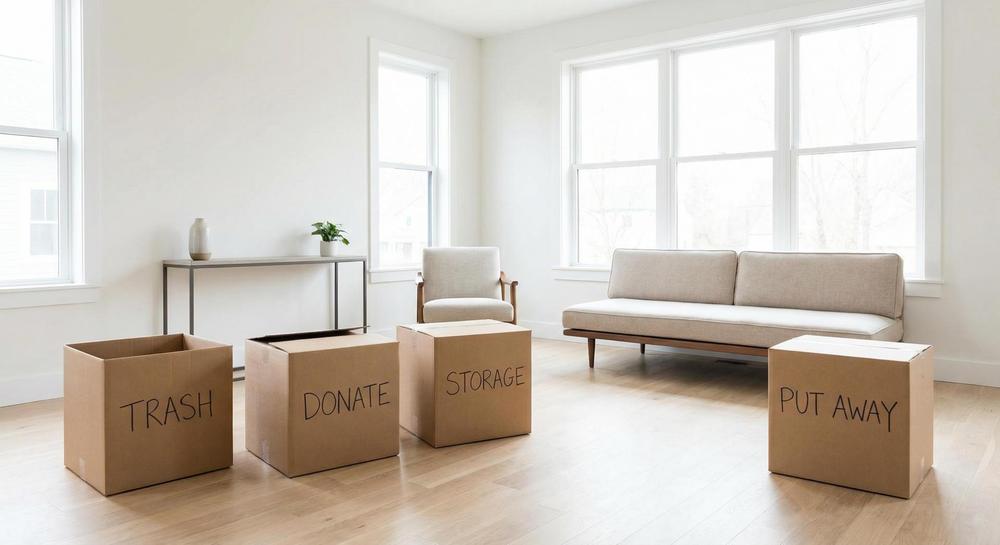
Before you move, sort through each room and remove extras. Don’t move items you never use. Sell or donate clothes, furniture, toys, and more. Similar idea when selling: the 3 D’s of prepping a home. This cuts weight and lowers truck size or moving time, saving money. For example, giving away a big couch means you may rent a smaller truck or spend less time loading.
- Sort belongings one room at a time.
- Have a yard sale or list items online.
- Donate usable items to charity for a tax receipt.
Decluttering early also lets you pack less and get moving quotes on the right number of items. An accurate inventory avoids surprise fees later.
Choosing Movers vs. DIY (Cost Comparison)
Should you hire movers or drive a rental truck? It depends on your move size. For small local moves, renting a truck is often much cheaper. But for a big move or long distance, moving companies can cut down on your time and work. They handle loading and unloading, which saves your back and time.
| Option | Best for |
|---|---|
| Truck rental (DIY) | Small, short moves. You pay for gas and insurance. |
| Professional movers | Big moves, long distance. Costs more per hour, but they work faster and handle heavy items. |
| Hybrid | Rent a truck and hire labor to load/unload. Balances cost and effort. |
In the end, pick the option that fits your budget and how much work you can do yourself.
Packing Hacks (Free Boxes, Labeling)
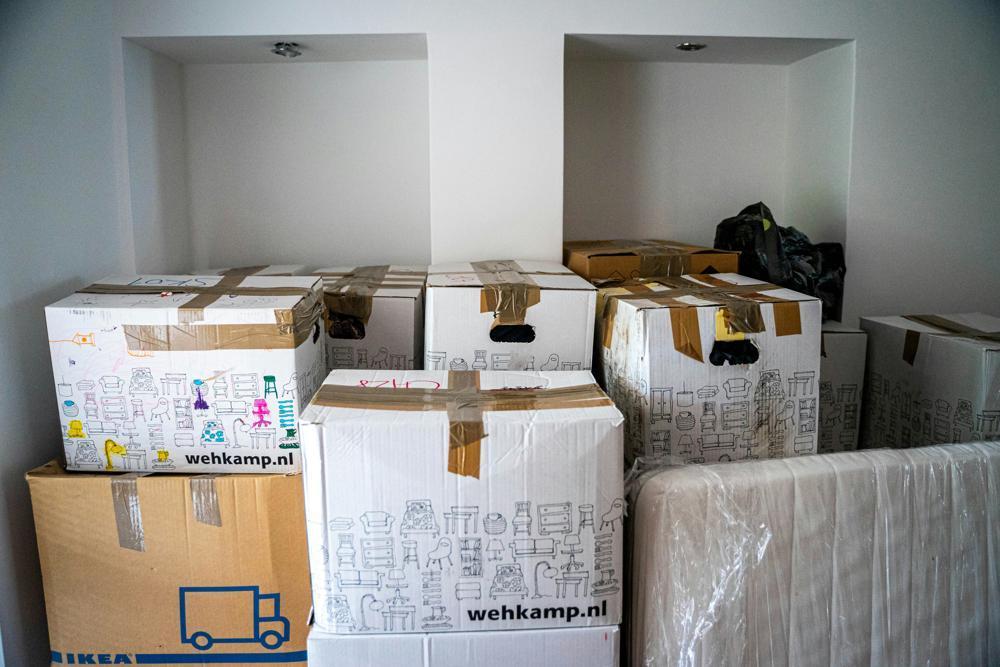
Packing supplies can add up. Get free moving boxes instead of buying them. Ask local stores: grocery shops, bookstores, liquor stores, and pharmacies often give away sturdy boxes. Check online classifieds or neighborhood groups for free boxes too. You can even post “wanted” ads for moving boxes to get them at no cost.
Once you have boxes, pack and label them smartly:
- Put heavy items (books) in small boxes and light items (bedding) in big boxes.
- Label each box with its room (e.g., “Kitchen”) and contents. This saves time unpacking.
- Wrap fragile items in towels or clothes instead of bubble wrap.
Transferring Utilities and Services (Timing)
Plan service transfers so you pay only for days you occupy each home. As a rule, notify all providers at least 2 weeks before moving day. This includes utilities (electricity, water, gas, internet) and also services like garbage, cable, phone, and lawn care. Tell the Post Office to forward mail and give your address to banks, insurance, and subscriptions.
After you move in, reconnect services right away. Make sure your new home has working electric, water, internet, etc. This avoids extra fees or security deposits. Taking care of utilities on schedule prevents headaches in the first days at your new place.
Moving Day Essentials (Snacks & First-Night Kit)
On moving day, keep important things handy. Pack a first-night box with your must-haves. This box should travel with you, not go on the truck. Include:
- Snacks and water: Moving is hard work. Keep portable snacks (nuts, granola bars, water) on hand to stay energized.
- Toiletries and meds: Toothbrush, soap, medications, and a change of clothes.
- Chargers and documents: Phone chargers, wallet, and important papers in one spot.
- Bedding and towels: So you can sleep comfortably the first night.
Having this kit means you don’t have to unpack boxes or rush to stores on day one. It makes the first night in the new home much smoother.
Frequently Asked Questions
How can I save money when moving?
Sell or donate items before your move and pack only what you need. Compare moving costs: renting a truck is cheapest for a small move, but hired movers can save time. Use free boxes and pack efficiently.
Where can I find free moving boxes?
Many retailers (grocery, bookstore, liquor store, etc.) give away used boxes. Also check Craigslist “Free” listings or local online groups—people often give away boxes after a move.
Should I hire movers or rent a truck?
Renting a truck is generally cheaper for local, small moves. For long-distance or heavy moves, professional movers may be worth the cost because they handle the work and can prevent damage.
When should I transfer my utilities and services?
Notify all utility and service providers about 2 weeks before your moving date. This gives time to arrange final bills at your old home and service start dates at the new home.
What should be in a first-night box?
Pack essentials you’ll need right away: toiletries, a change of clothes, bedding, chargers, and snacks. Keep this box with you so you can relax without unpacking all your boxes.
How early should I start planning my move?
Ideally start 6–8 weeks before moving. Set your budget, gather quotes, and make a checklist of tasks (packing, utility transfers, etc.). Early planning makes the move smoother and cheaper.
Conclusion: Next Steps
- Set a budget and timeline: Decide your moving date and budget. Start planning about 6–8 weeks in advance.
- Declutter now: Sort and sell or donate items you don’t need. Fewer boxes mean lower costs.
- Get quotes: Compare truck rental prices and moving company bids. Choose the best deal.
- Gather supplies: Find free boxes and packing tape. Pack room by room, labeling boxes.
- Schedule utilities: Call providers two weeks ahead to cancel old service and set up new service.
- Pack essentials: Put important items and snacks in your first-night box. Keep it with you on moving day.
By following these steps—decluttering, comparing costs, packing smart, and scheduling services—you’ll have a smooth, budget-friendly move into your new home.